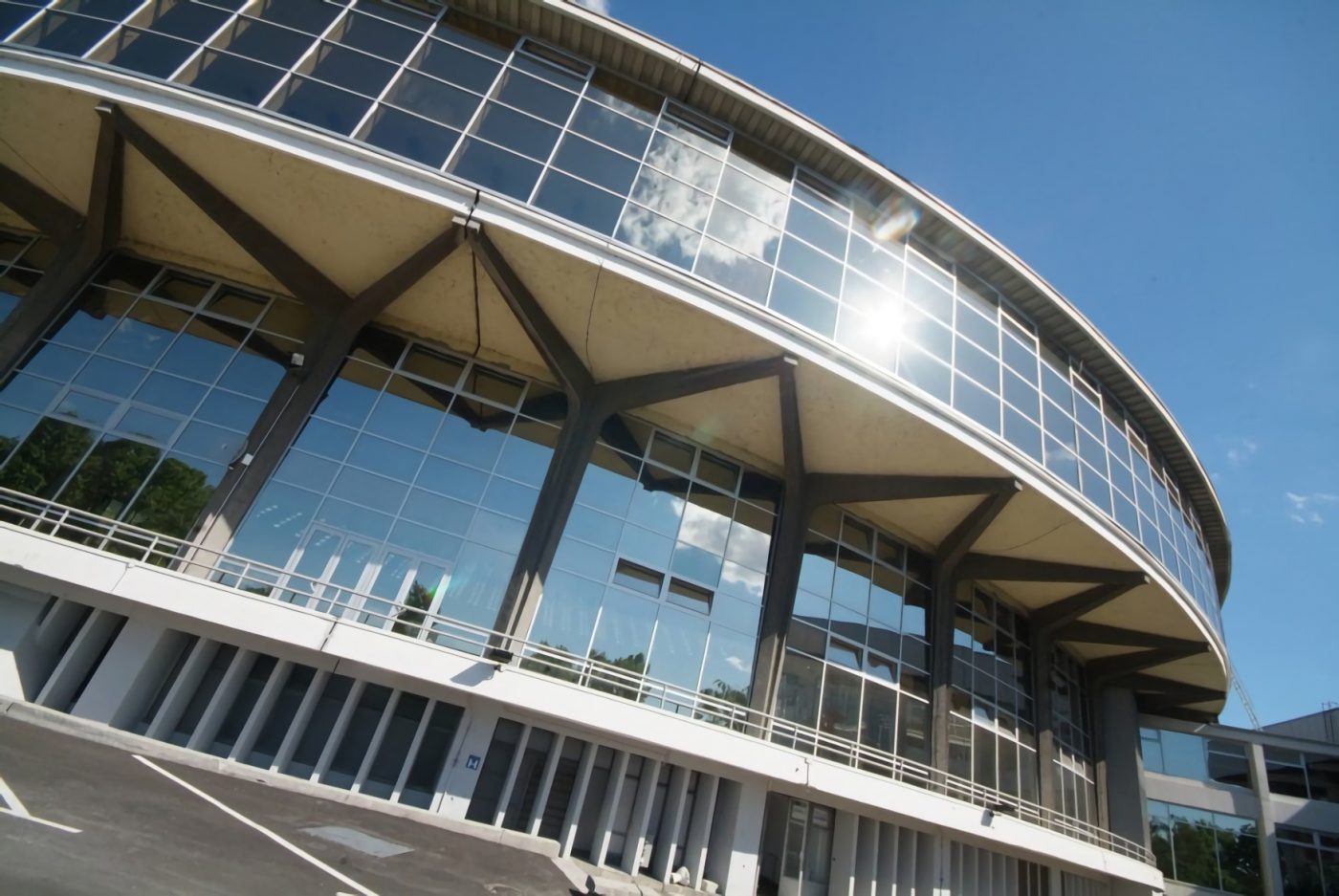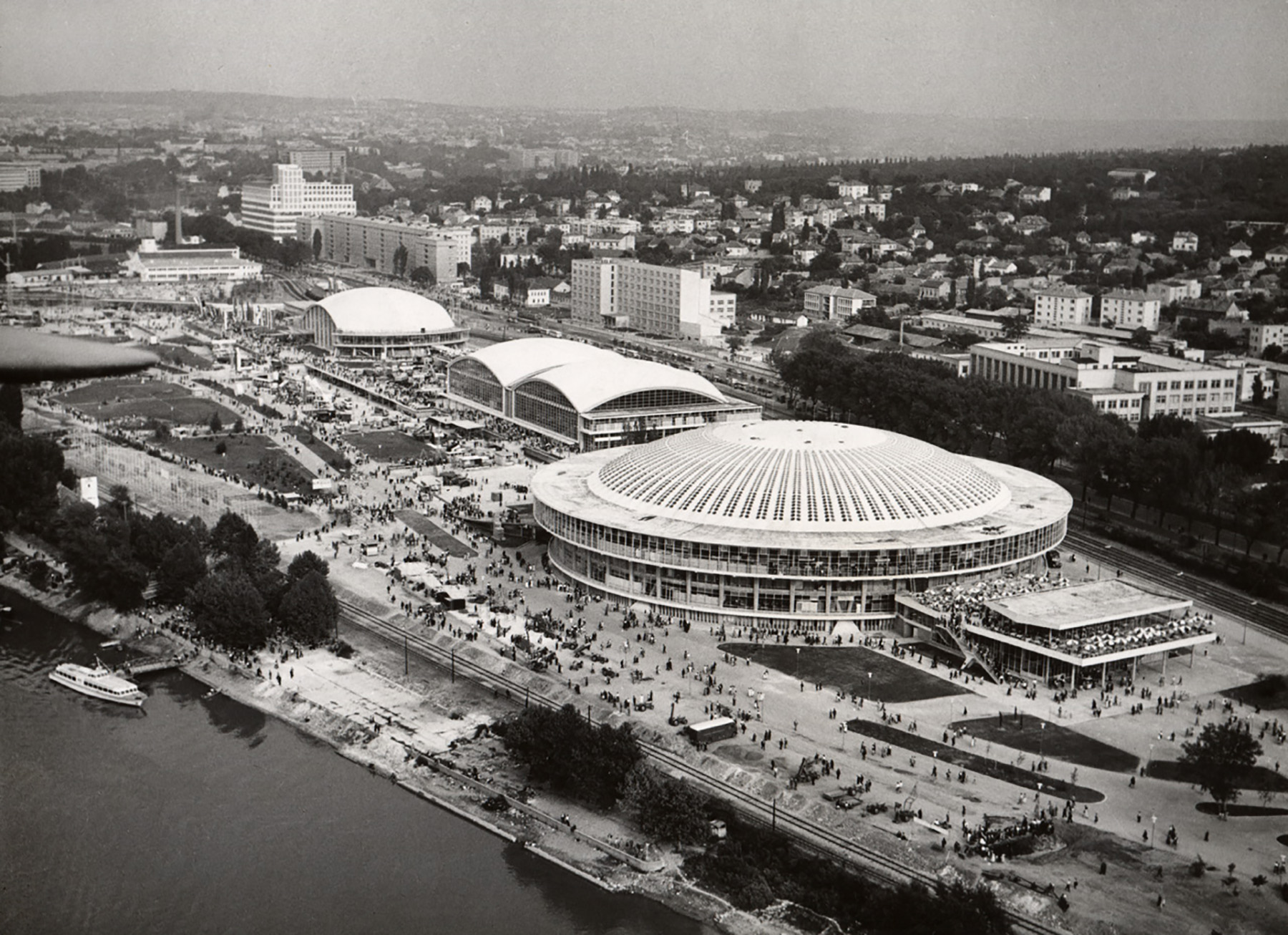
Belgrade Fair with its exhibition halls and urban concept is one of the most interesting works of Serbian post-war architecture and construction. It reflects the creative and technical rise in the society and architecture in the late 1950s and early 1960s in former Yugoslavia.
Located in an attractive location on the right bank of the Sava River, near the traffic junction of the city, between the green lungs of Belgrade and the centre, the fair complex has been easily accessible and recognizable landmark of the city for more than 6 decades.
In the architectural competition for the fair 1953, the first prize was awarded to Arch. Milorad Pantović and civil ing. Branko Žeželj and Milan Krstić. As a young architect Pantović worked with Le Corbusier and gained experience designing sports stadiums and industrial facilities.
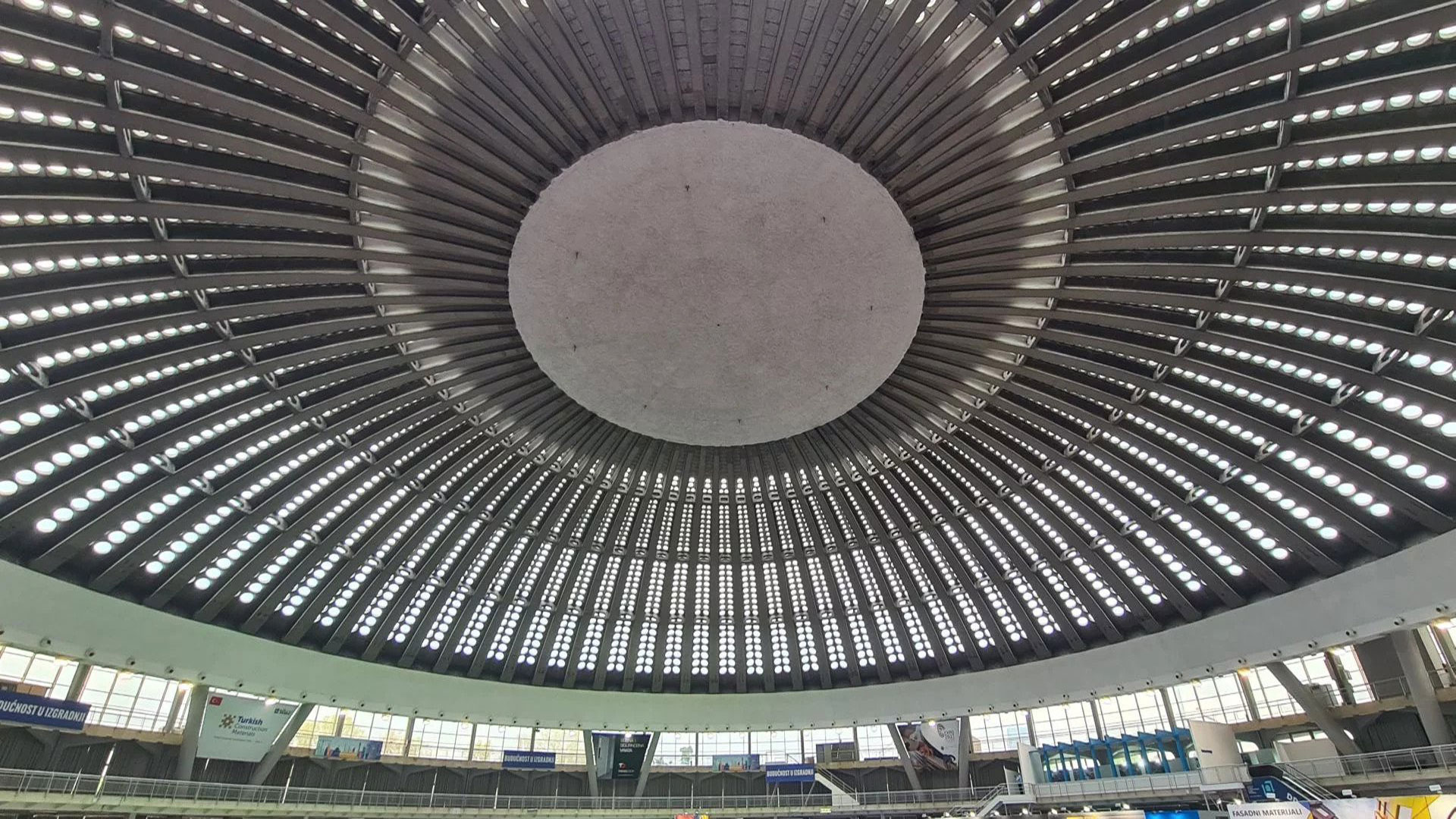
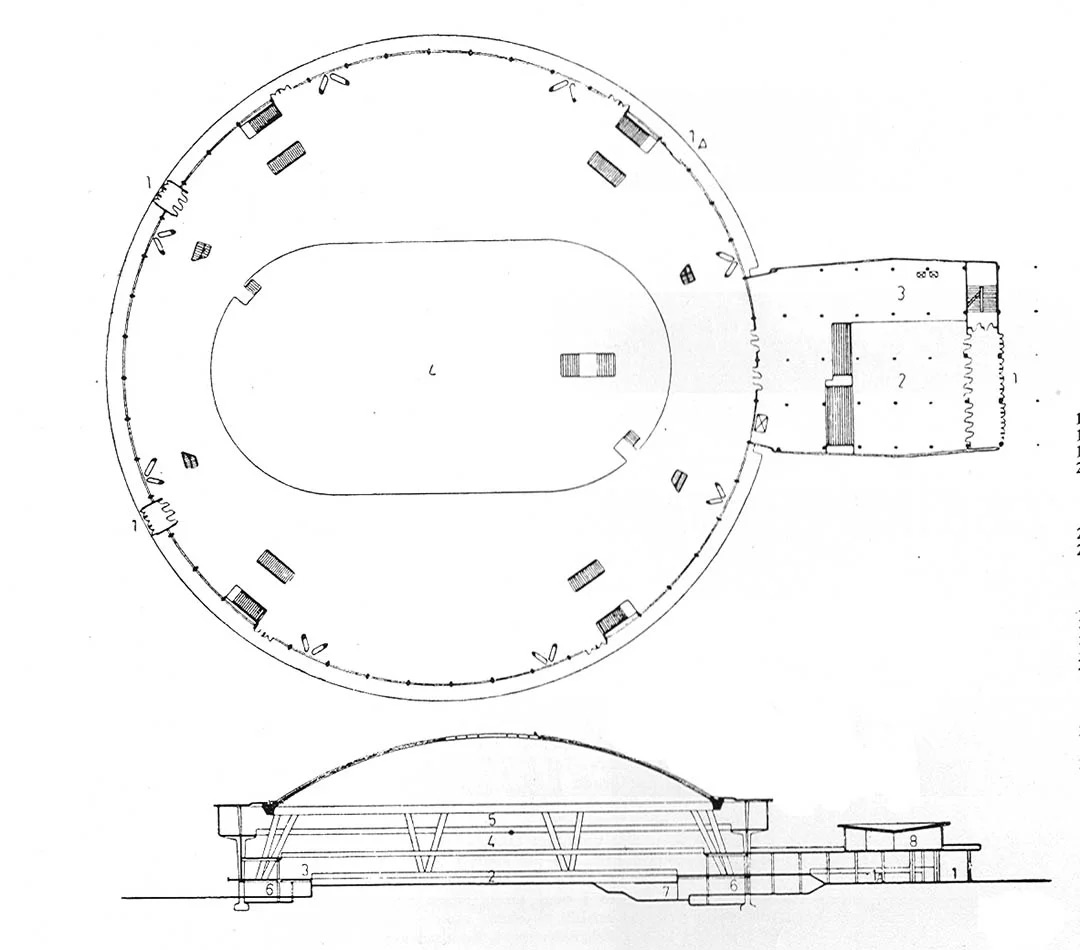
The construction of the Fair began in 1953 and lasted four years, on an area of 300,000 m². The exhibition space with four halls makes up one architectural unit with a area of 40,000 m². Each of the buildings is an interesting constructive solution, but the most impressive is certainly hall one.