Should new museums be built in a park? Is it contemporary to construct new buildings instead of expanding Budapest’s 200-year-old City Park, whose renovation was undoubtedly more than necessary?
Ultimately, this was precisely the question at issue in the so-called Liget project, when it was decided ten years ago that several new museums should be erected in Budapest’s City Park, known as Liget. Supporters of the new museum district pointed out that all new buildings would be built on already sealed areas, opponents presented alternative sites and emphasised the need for larger recreational areas for the people of Budapest. The truth, as always, lies somewhere in between. It is also true that the creeping development of Budapest’s oldest park began as early as 1866, when the Zoo abruptly took 15 per cent of the park’s area.
Since January, the first completed new building has made it possible to check whether there is perhaps an intermediate path, a compromise between nature and architecture.
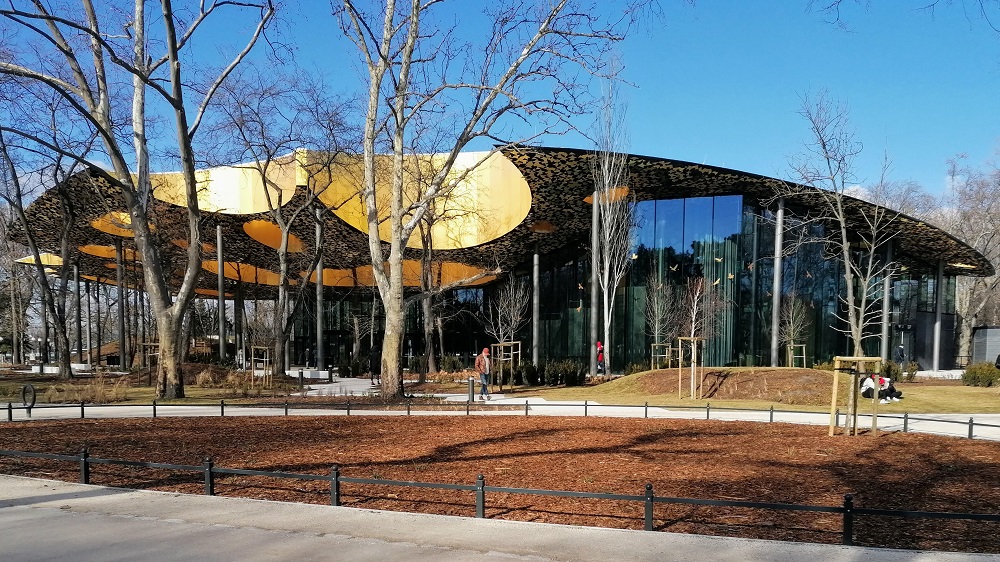
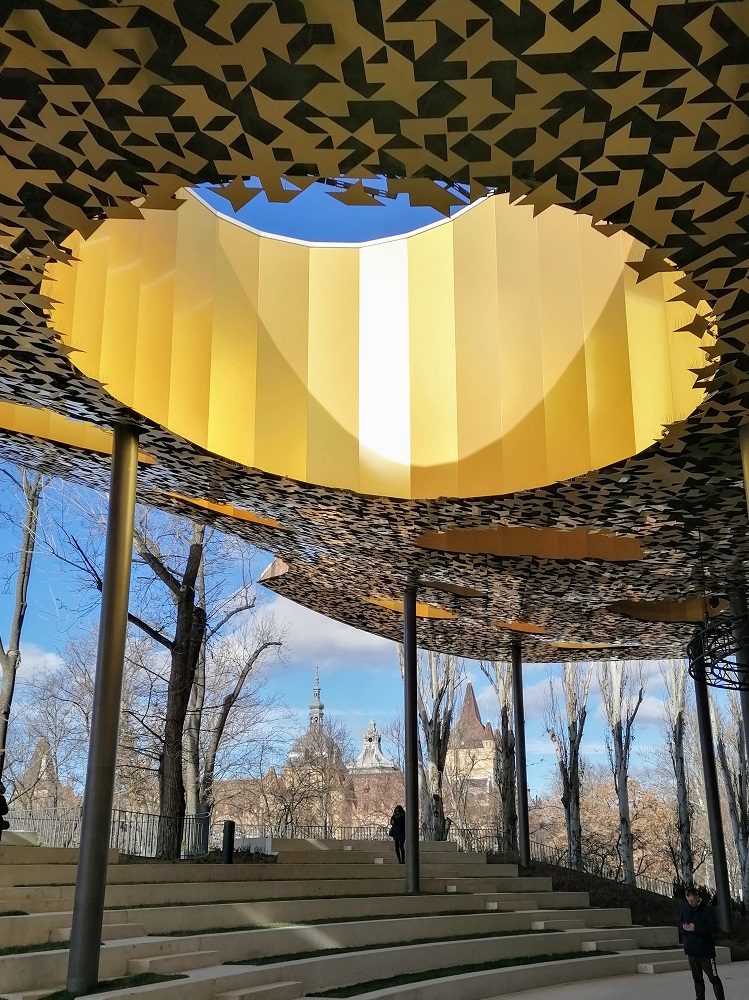
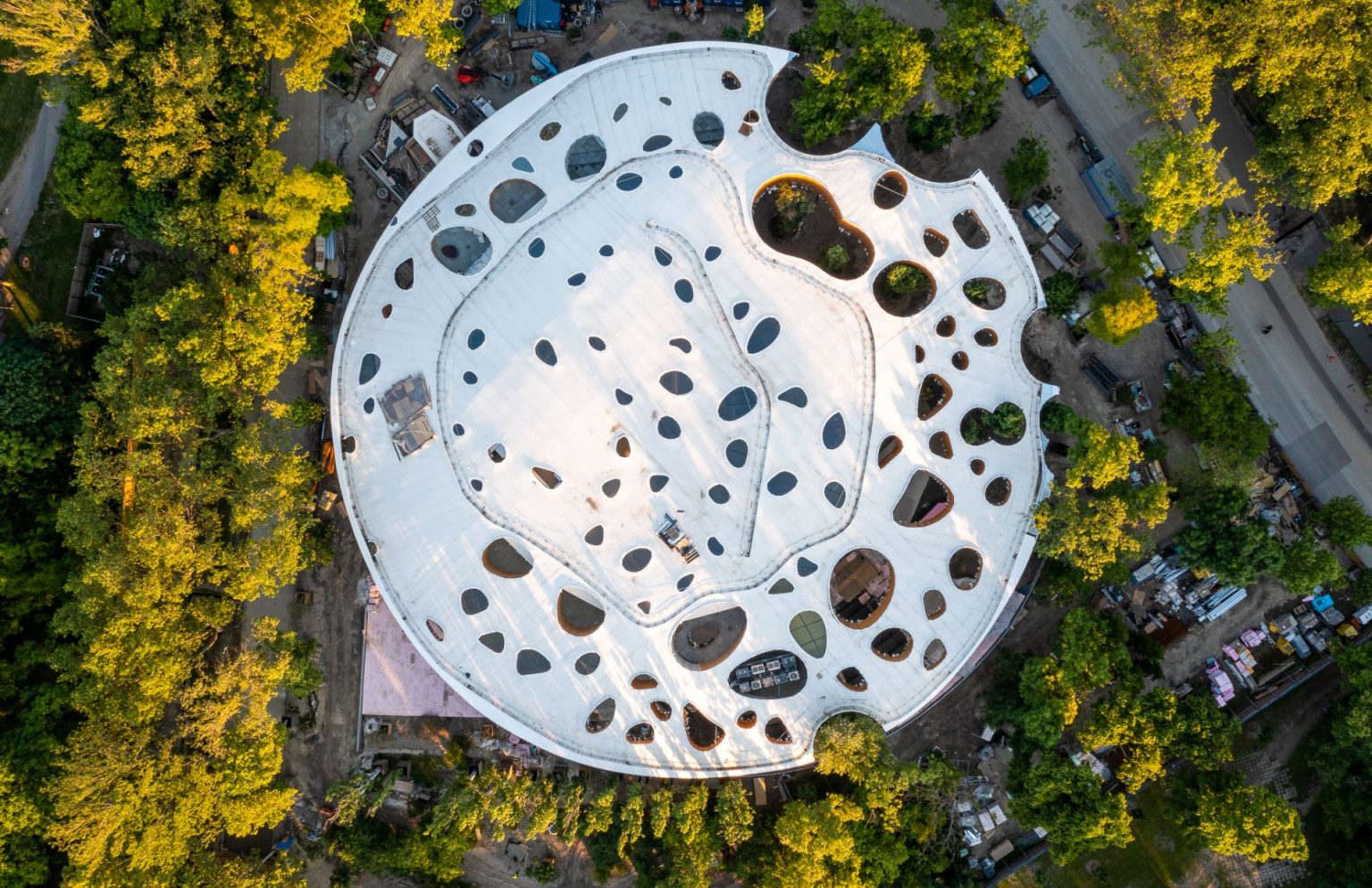
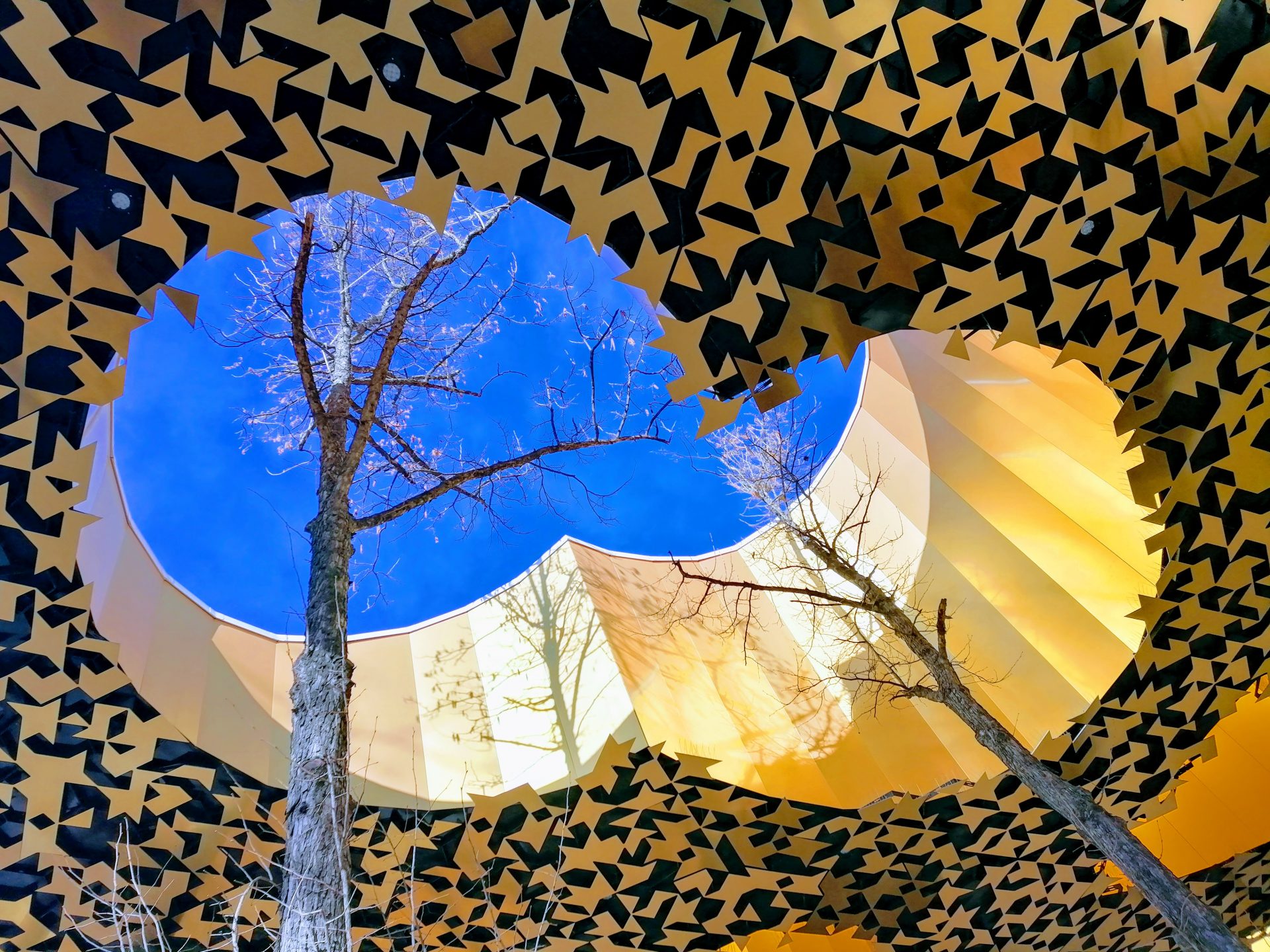
Japanese architect Sou Fujimoto, who won the competition in 2014, has indeed succeeded in creating a masterpiece with the House of Music. Built for the art of sound, the house is enveloped by an ambiguous shape that manages to reconcile nature and architecture.