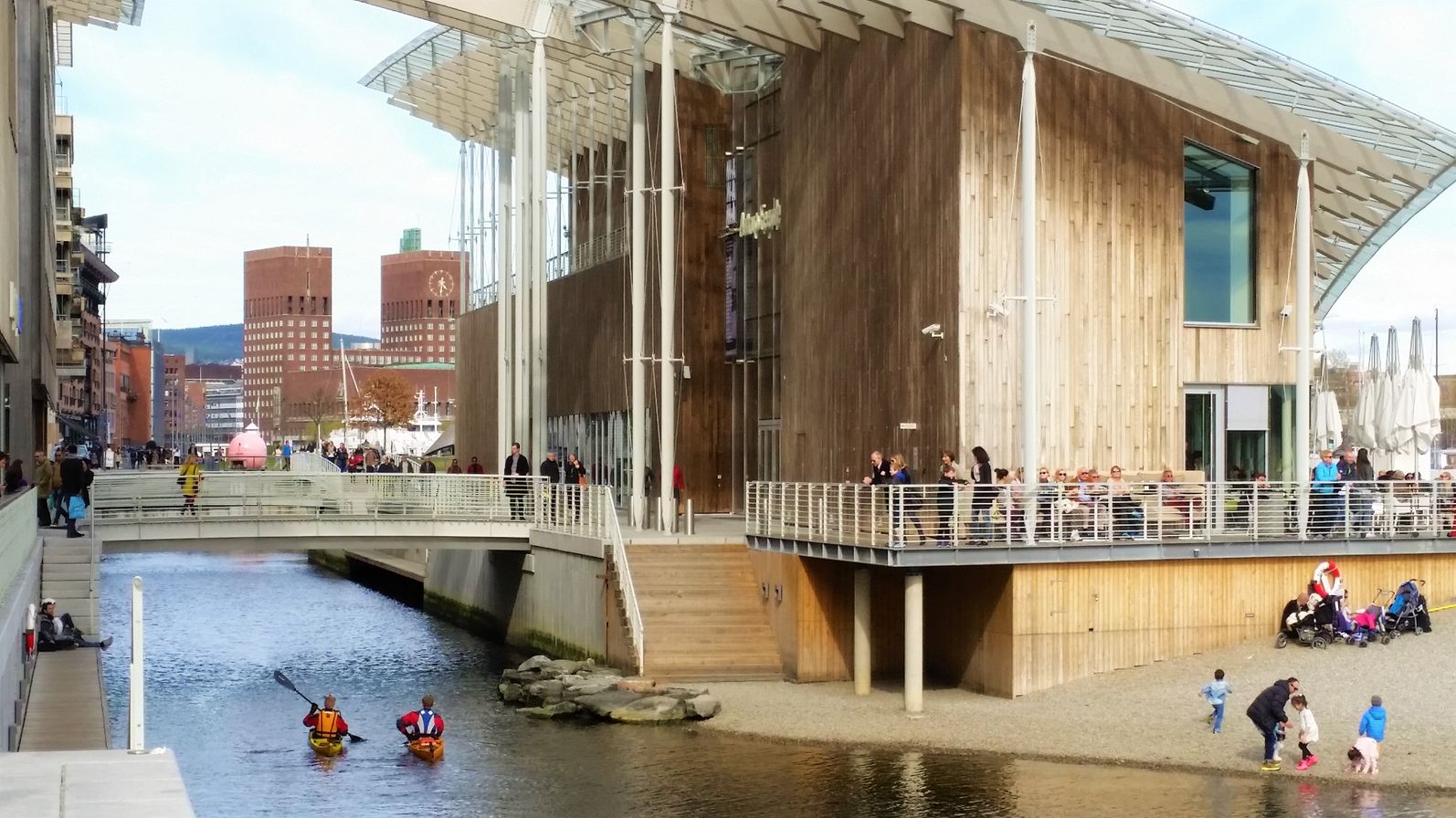
The capital of Norway consists of two thirds forest and water. Of the 454 km² which constitute the Oslo municipality, only the southern third is a built-up area. And so it will stay, according to the city’s masterplan. However, in order to catch up with a constantly growing population, thousands of new housing units are needed every year. Include to this the necessary infrastructure, this is a great strain on the available spatial resources of the city.
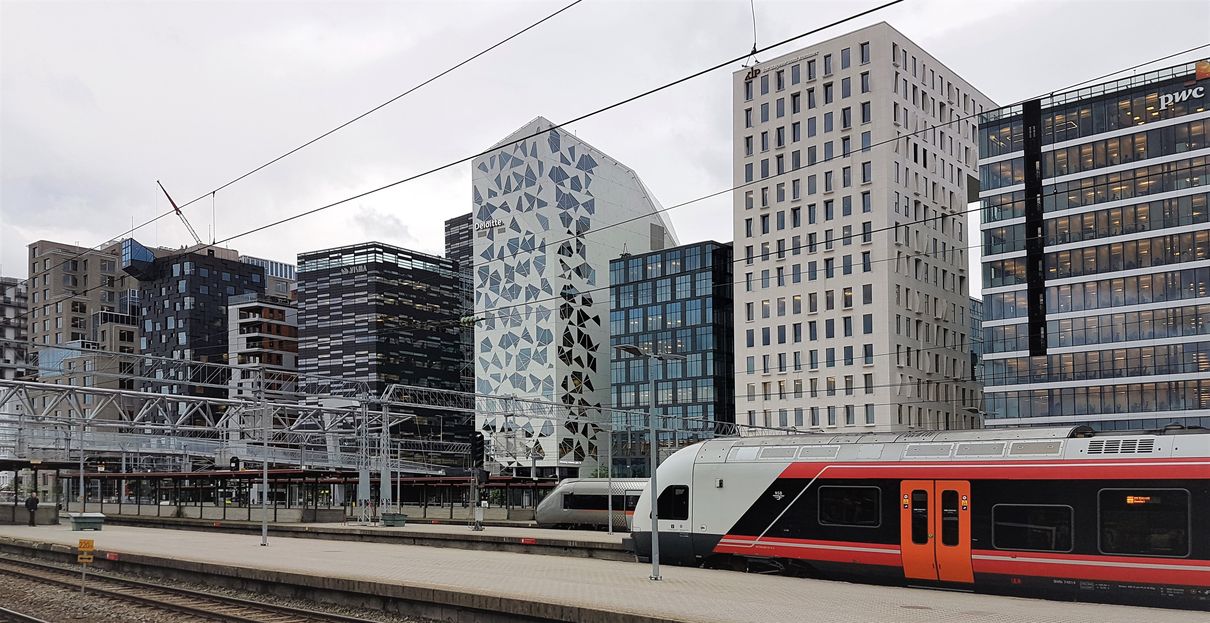
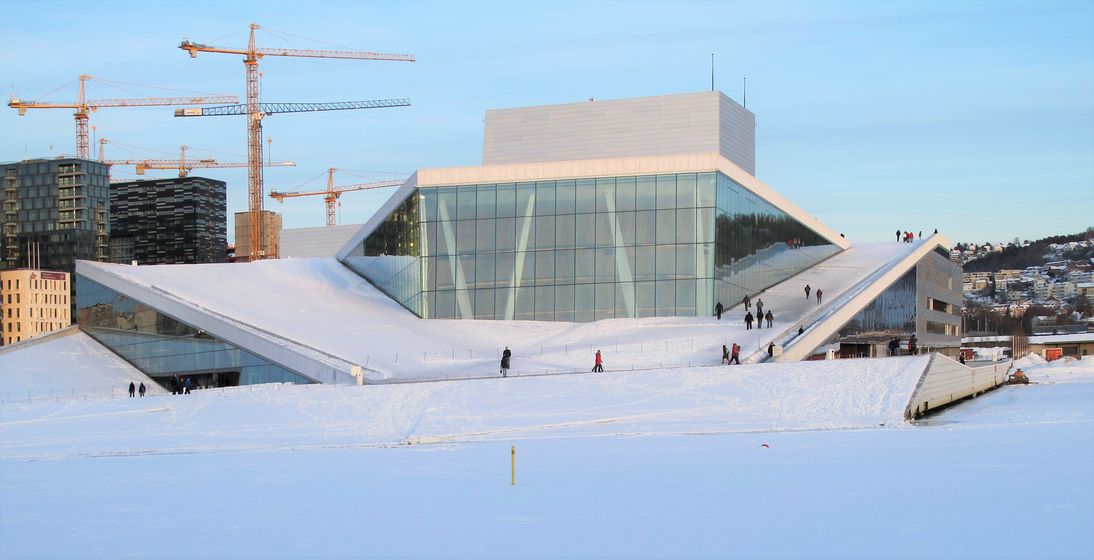
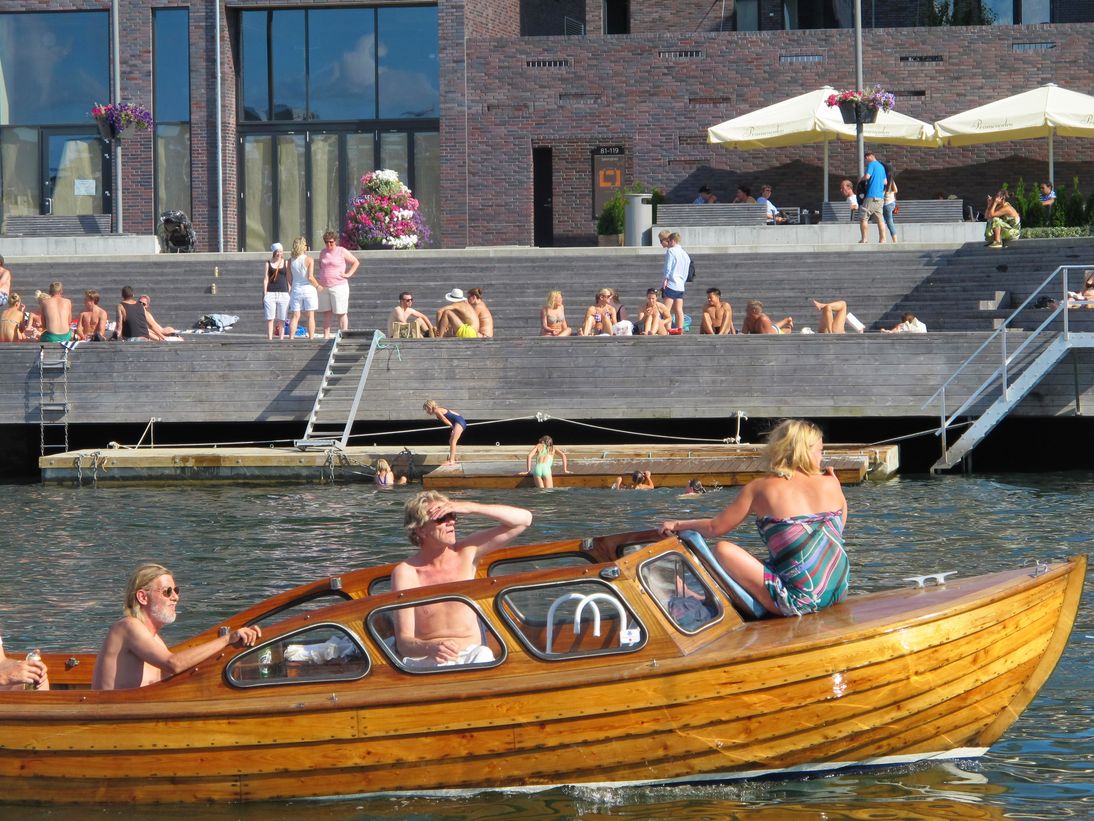
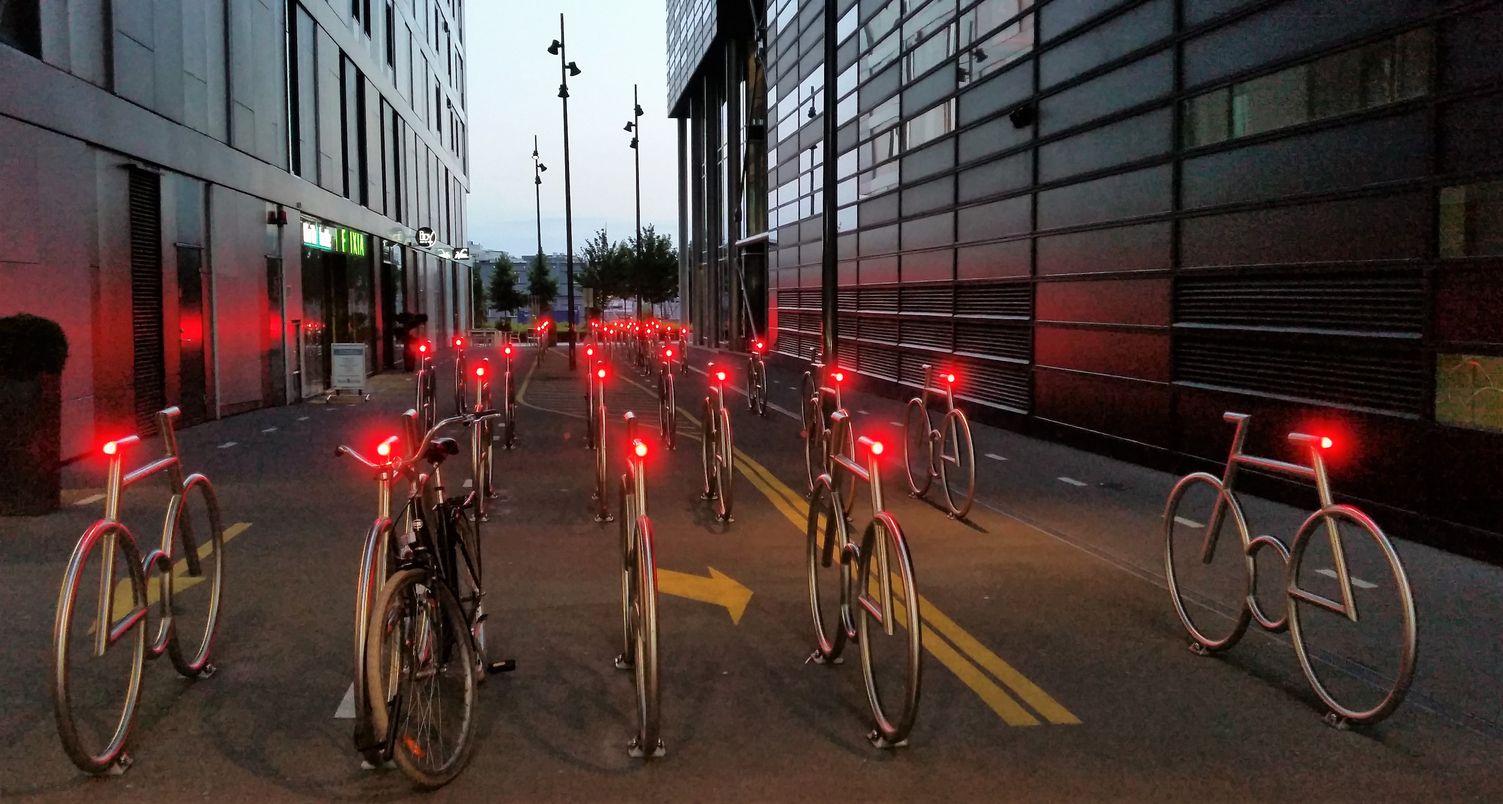
Where to turn, then, when forest and hills are out of bounds for urban expansion? Since the year 2000, the main ideas for transforming 225 hectares of harbour, rail and road areas into waterfront urban developments have been in place. The “FjordCity” will be built in stages, but major parts are already completed or under construction. In all, some two million m² of new structures, with up to 9,000 new residences and 45,000 workplaces, will replace former harbour functions. Freight traffic is concentrated on the south of the city centre, with a container capacity of 400,000 TEU (Twenty-foot Equivalent Unit) per year.