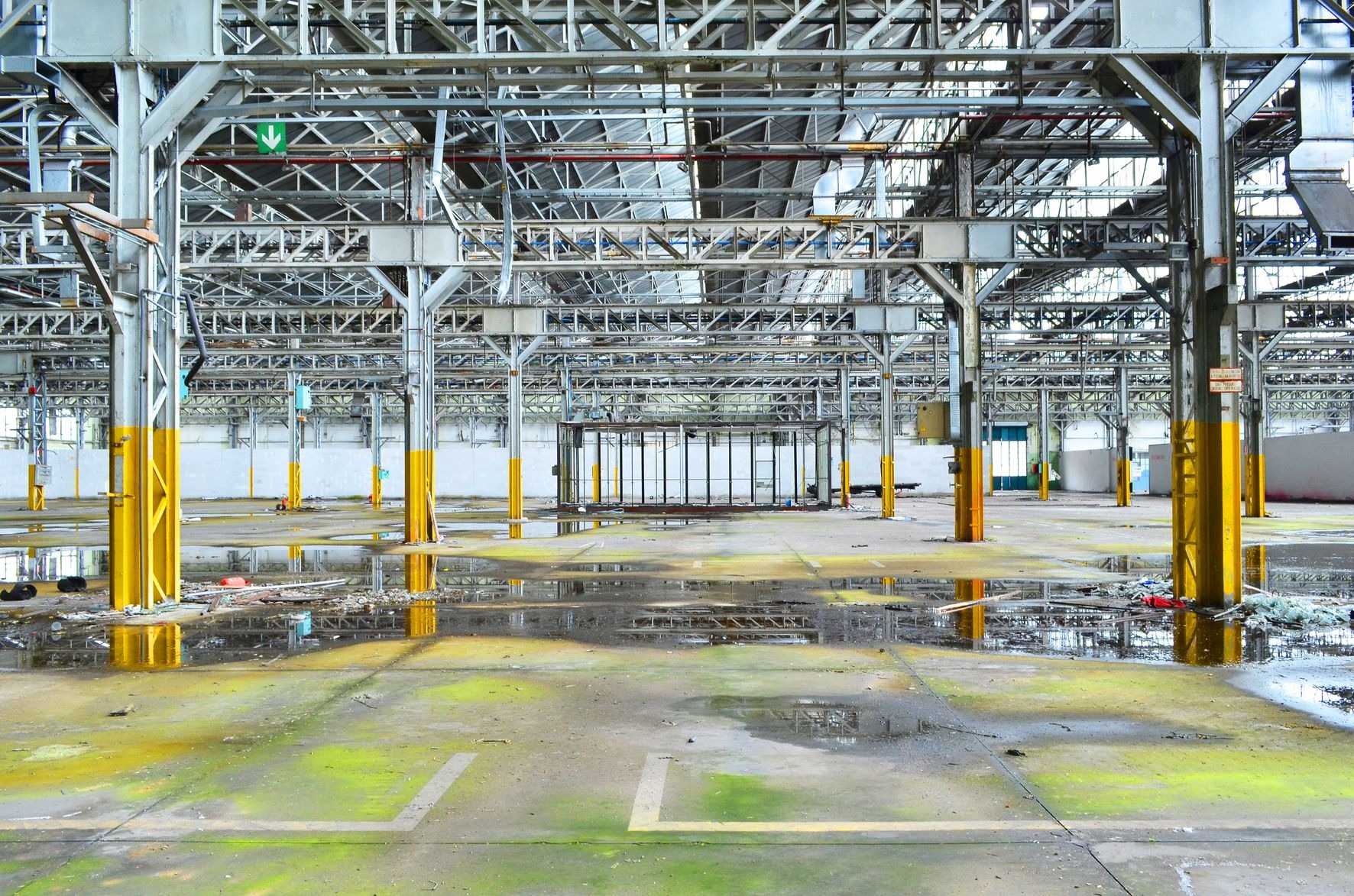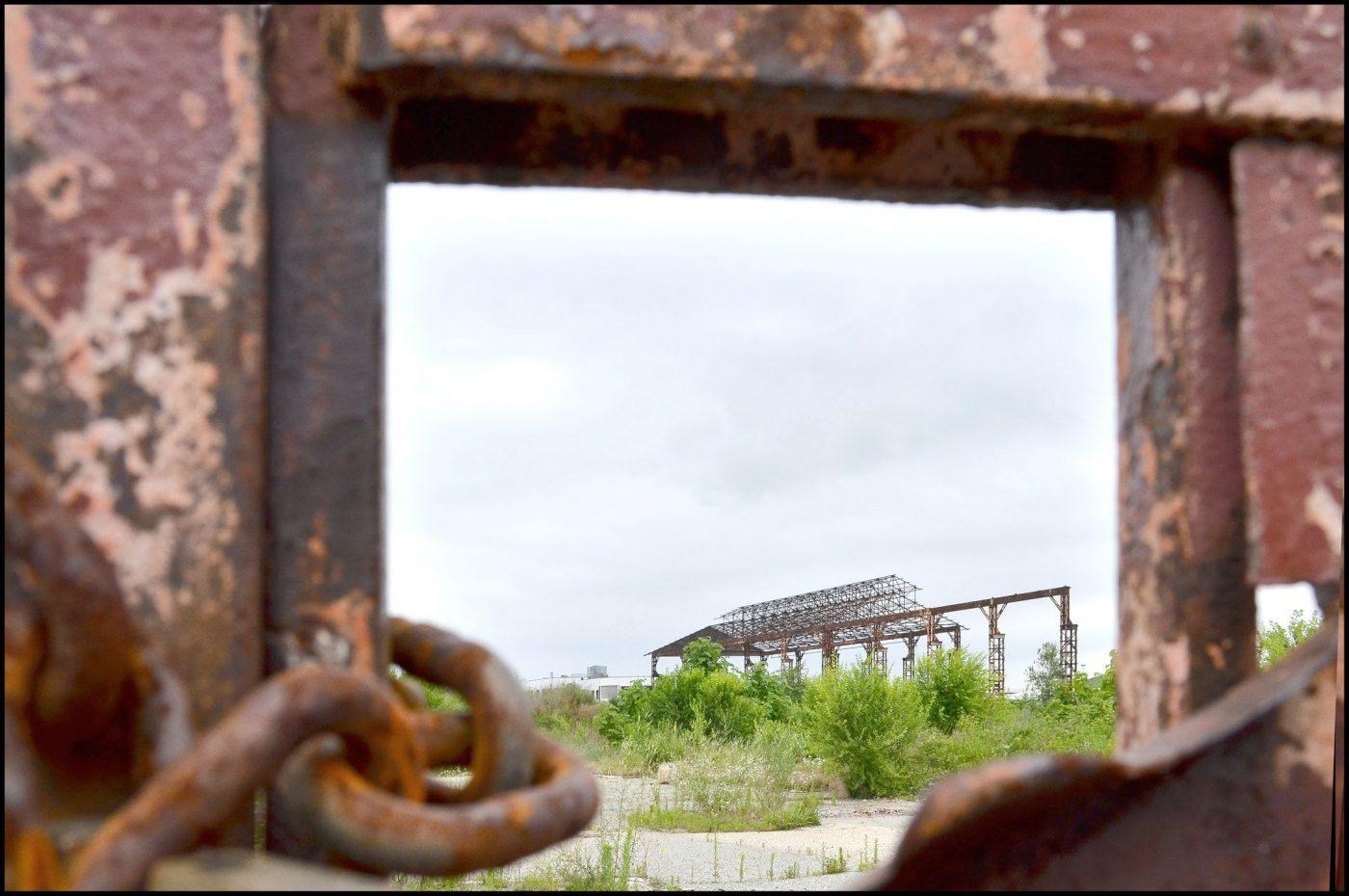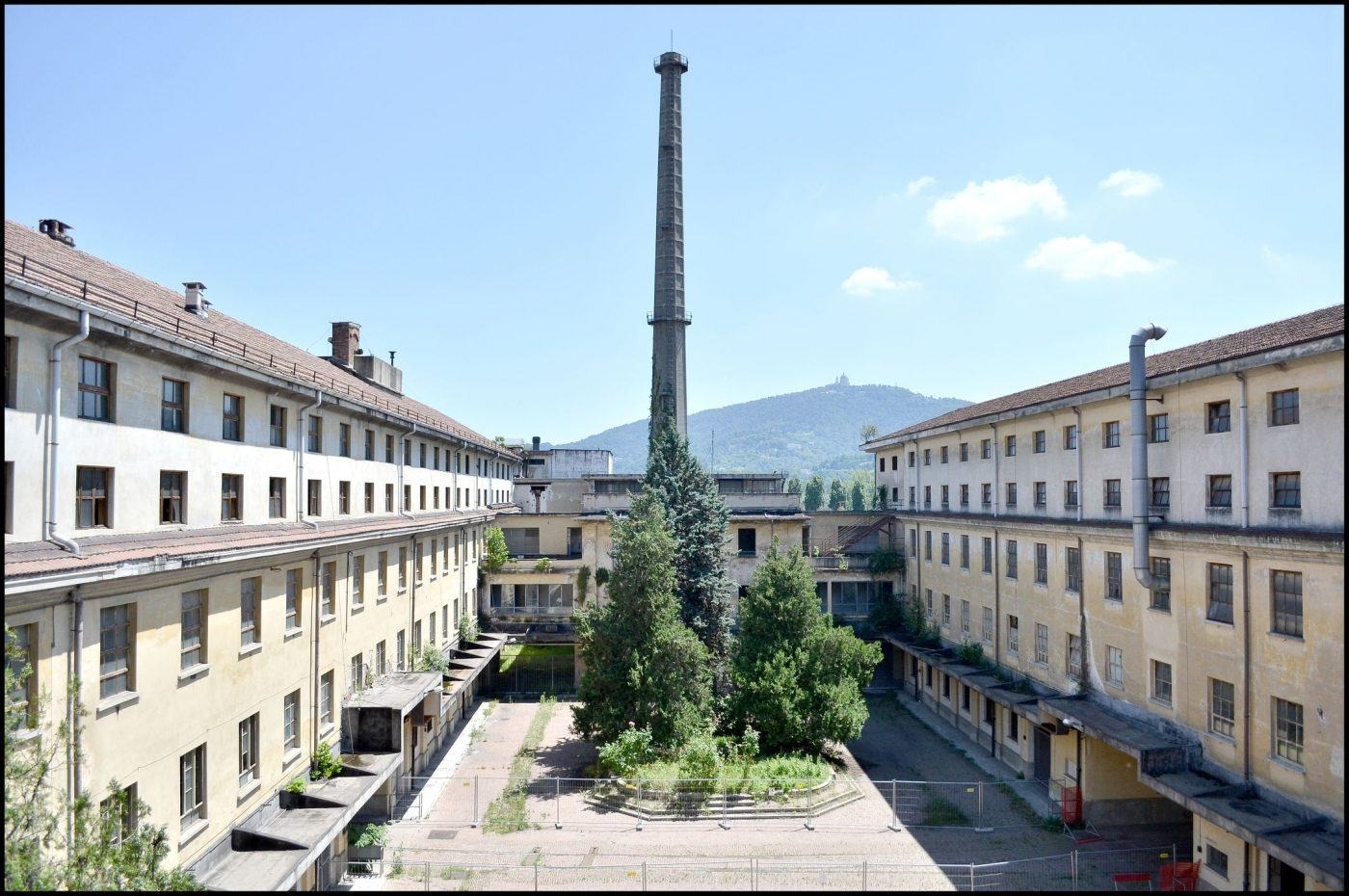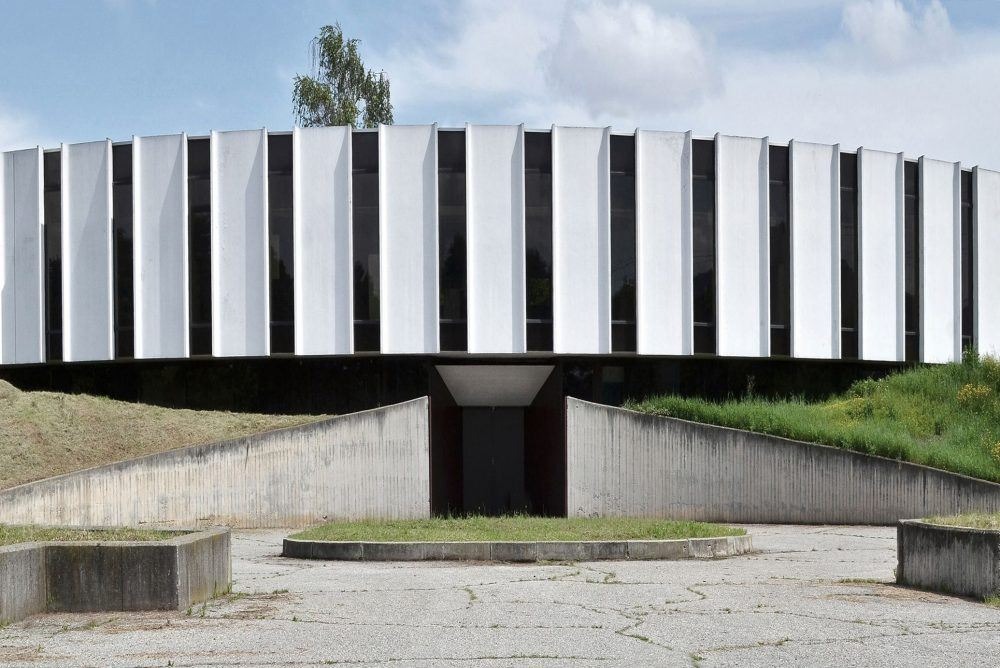
The intense media exposure provided by the 2006 Winter Olympics has certainly contributed to Turin’s image by disclosing to the world its hidden side of rich cultural life and outstanding architecture. The ensemble of the Olympic works stands out as the most conspicuous outcome of a change that has profoundly affected specific sectors of the city. In some cases, this change is carried out as a continuation of the vast transformation processes which already began in the previous decades, alongside the approval of the City’s Master Plan and the elaboration of the Strategic Plan. In other cases, however, the change reaffirms a set of vocations and functions in urban sectors that have been excluded from the previous dynamics of transformation. The whole transformation process happens in a relatively short span of time.
While tourism, and especially architectural tours, plays a prominent role in shaping public opinion with regard to the built environment, the development of local urban and architectural resources has been instrumental in fostering the circulation of Turin’s post-industrial image.