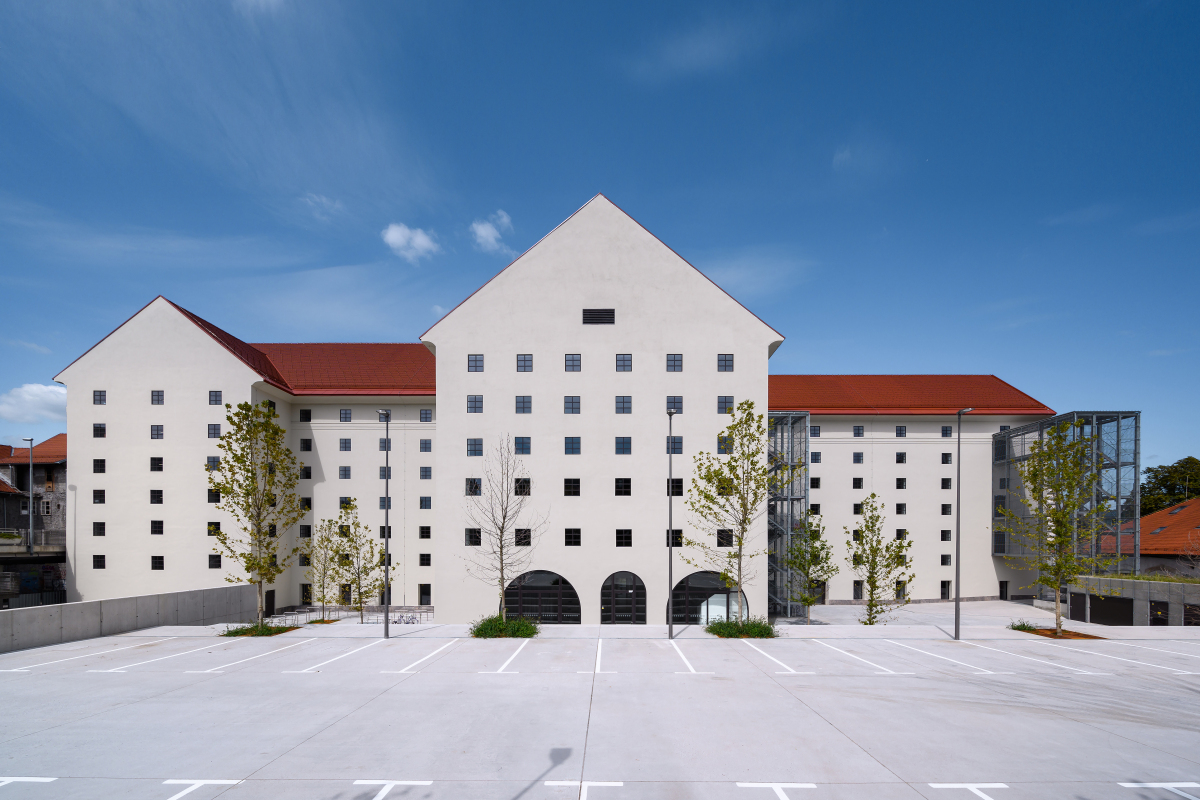
Even though Ljubljana is known as a city that was significantly shaped by its great son, the architect Joze Plecnik (his works in the Slovenian capital were inscribed on the World Heritage List in 2021), you could never miss the industrial monument Cukrarna, even when it had been left to decay for decades. The striking building inevitably catches the eye when you visit the Plecnik dam on the Ljubljanica River, or when your gaze falls on a wonderful relic of the architecture of Slovenia’s socialist era, the tgh-48 car garage by Savin Sever (1961), which has been a protected heritage site since 2018.
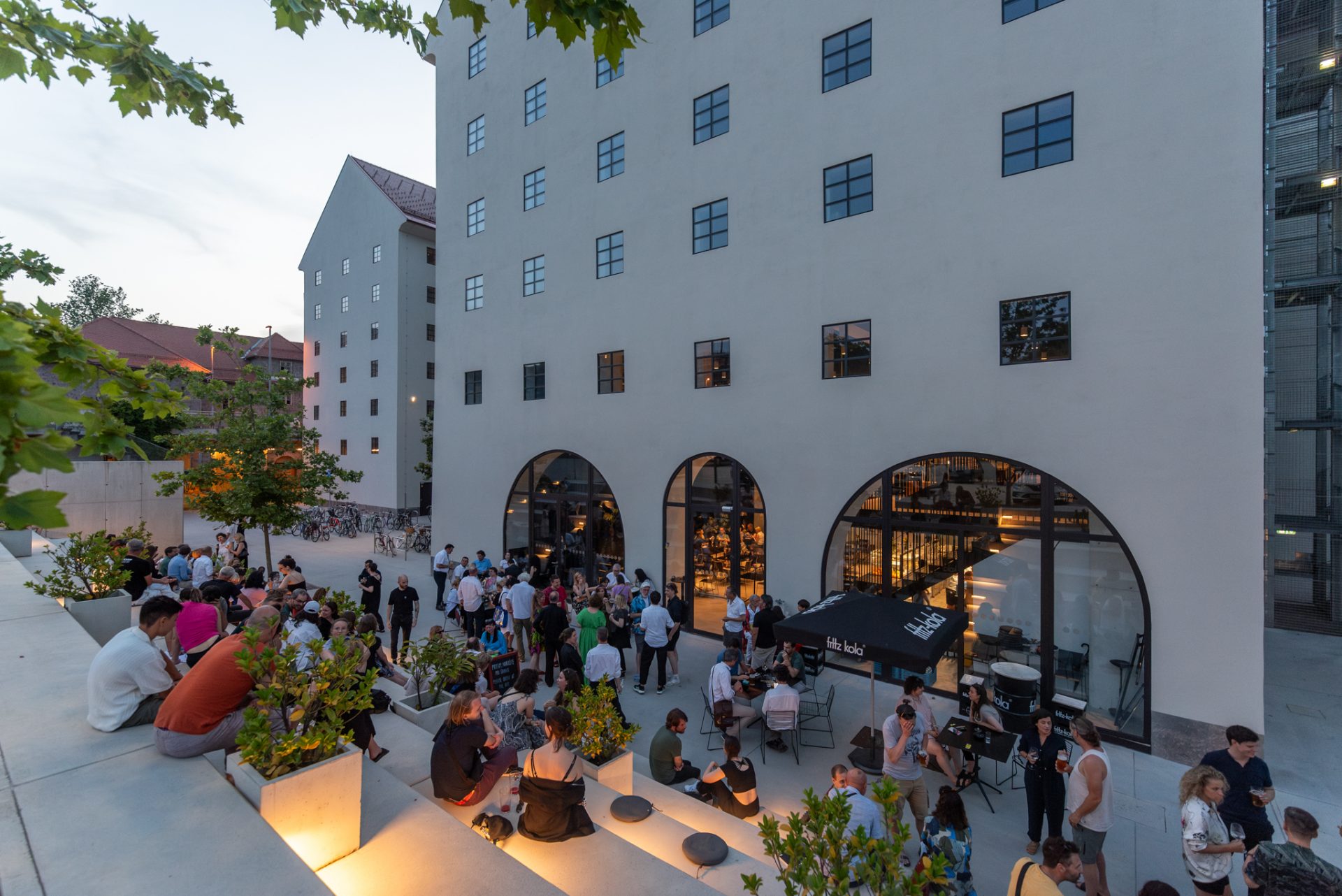
The industrial building Cukrarna was built in 1828 as a sugar refinery and was the largest factory in the Austro-Hungarian Monarchy in the mid-19th century. In 1858, after a major fire, its fate was sealed. After reconstruction, it was inhabited by soldiers, workers and people on the margins of society and was closed in 1980.
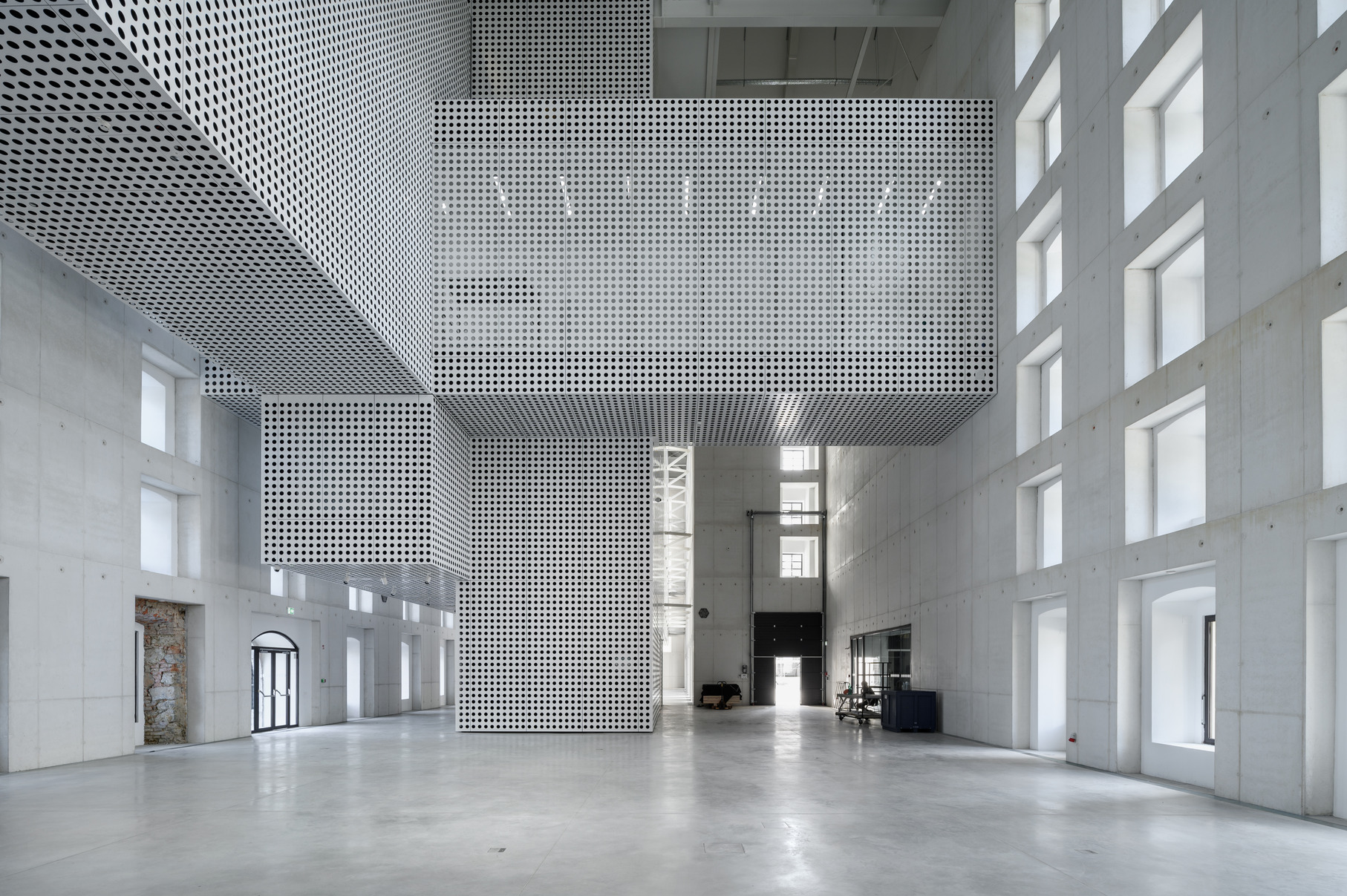
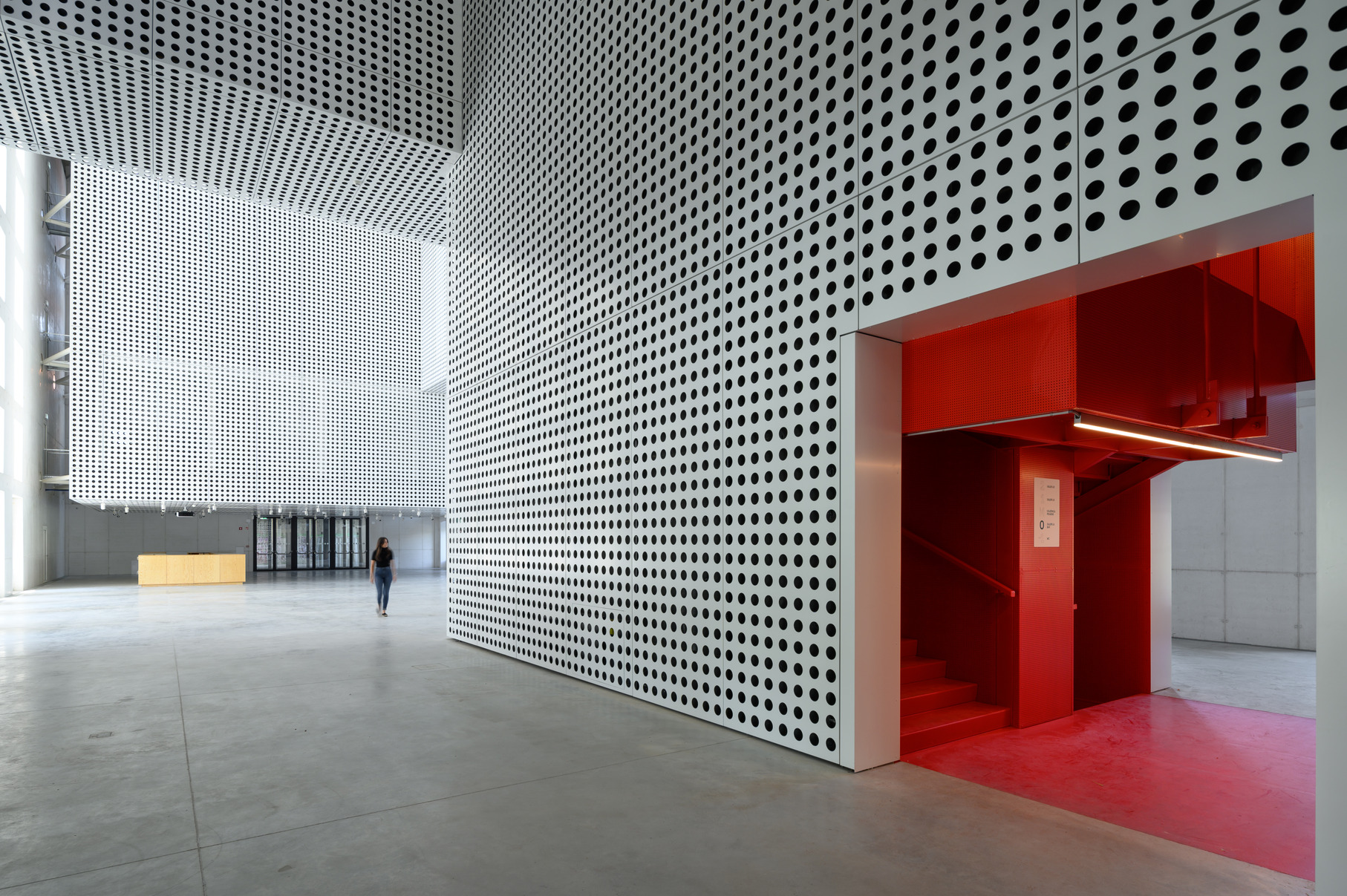
In 2008, the city acquired the building and announced an international competition to convert it into a centre for contemporary art, which the Slovenian architecture firm Scapelab won with a radical concept. They gutted the existing building with its very low ceiling heights and inserted a completely new multi-storey volume into the empty shell, which is suspended from a new roof truss.