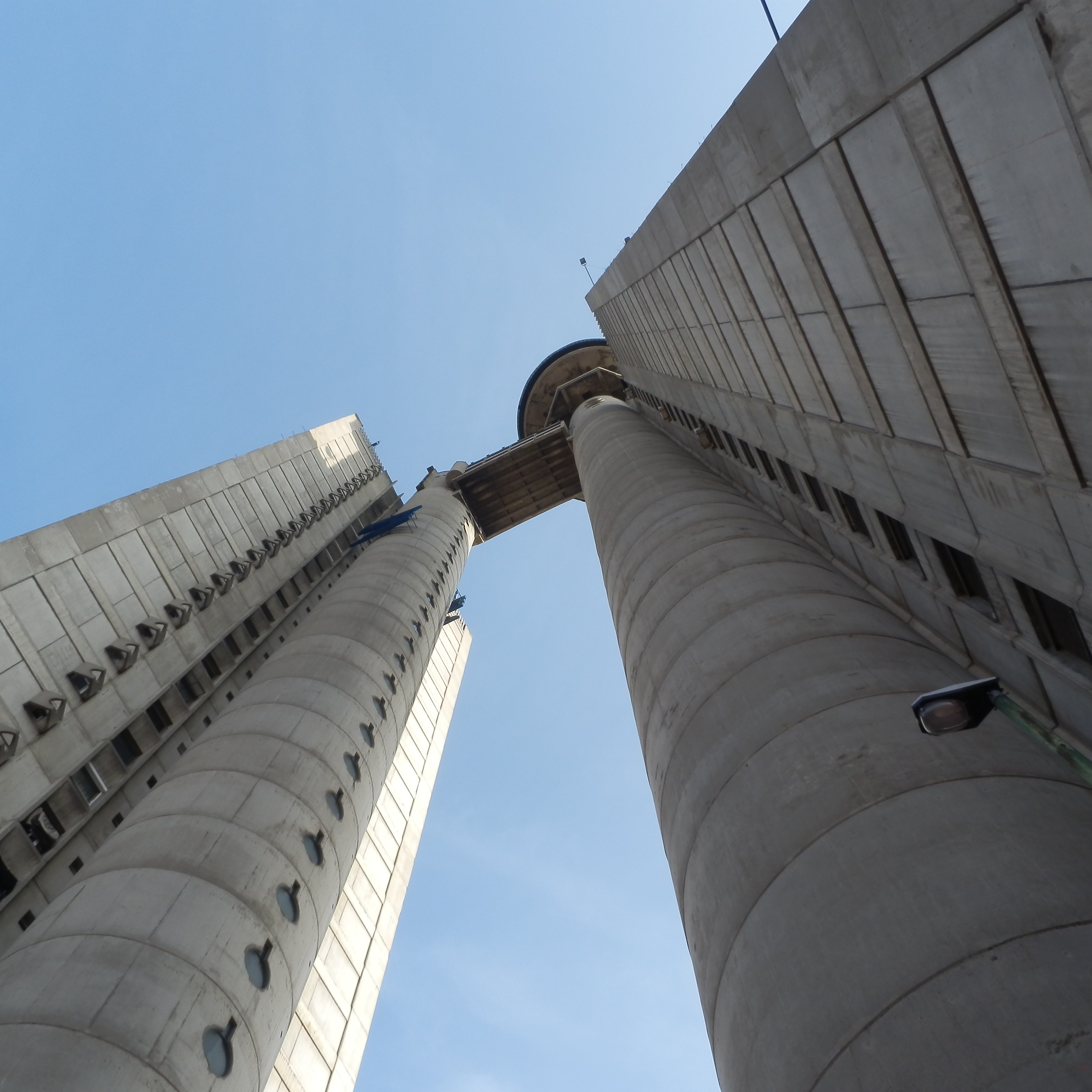
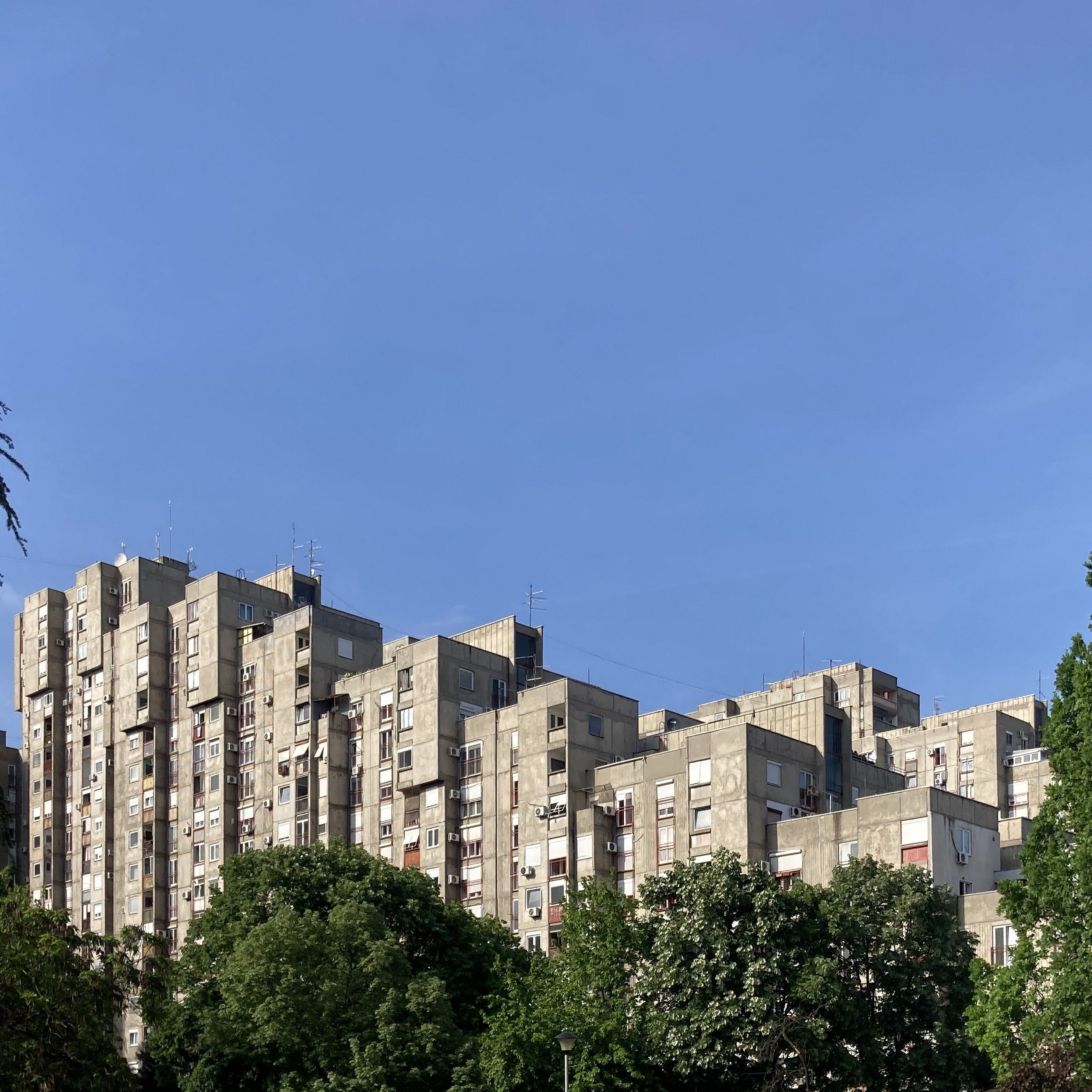
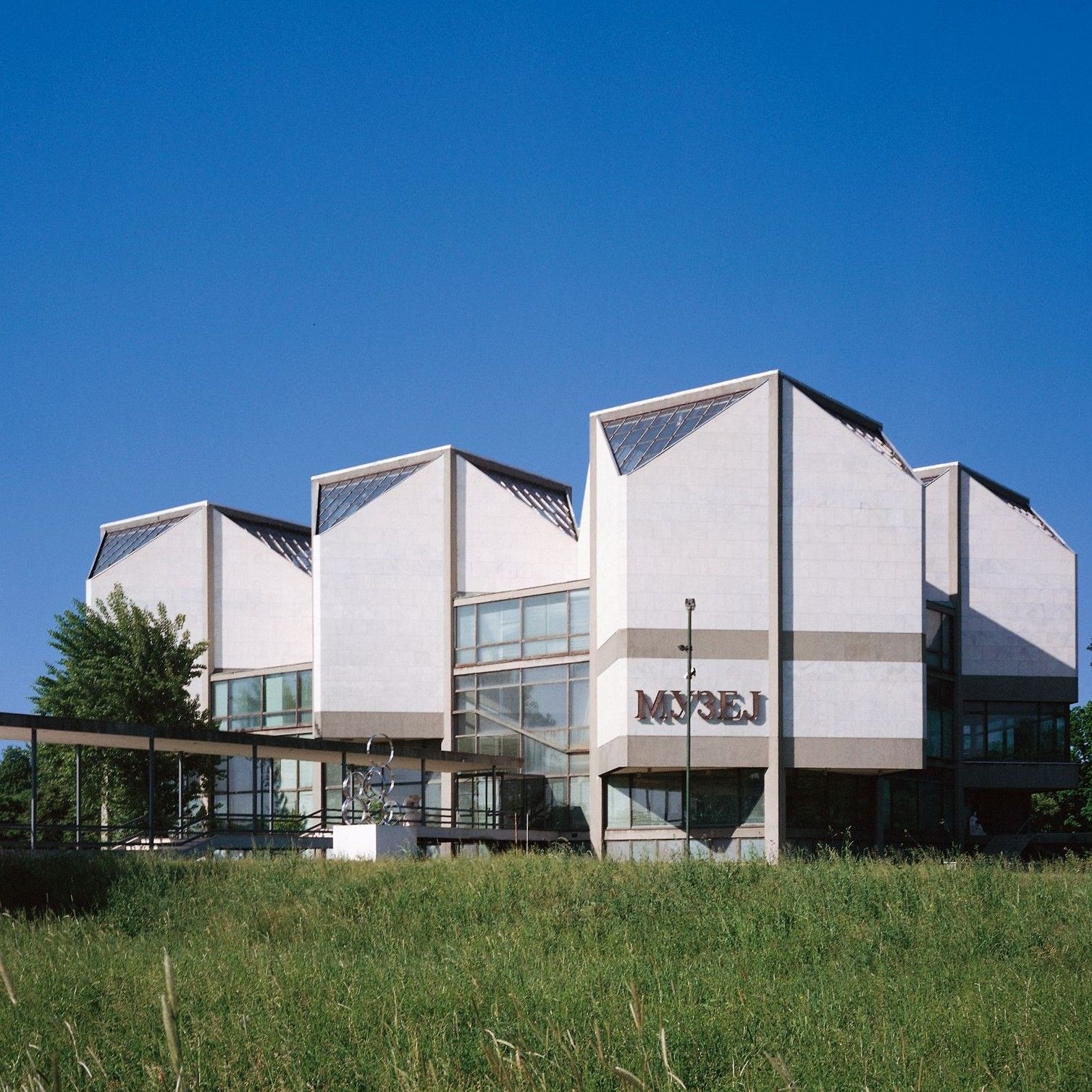
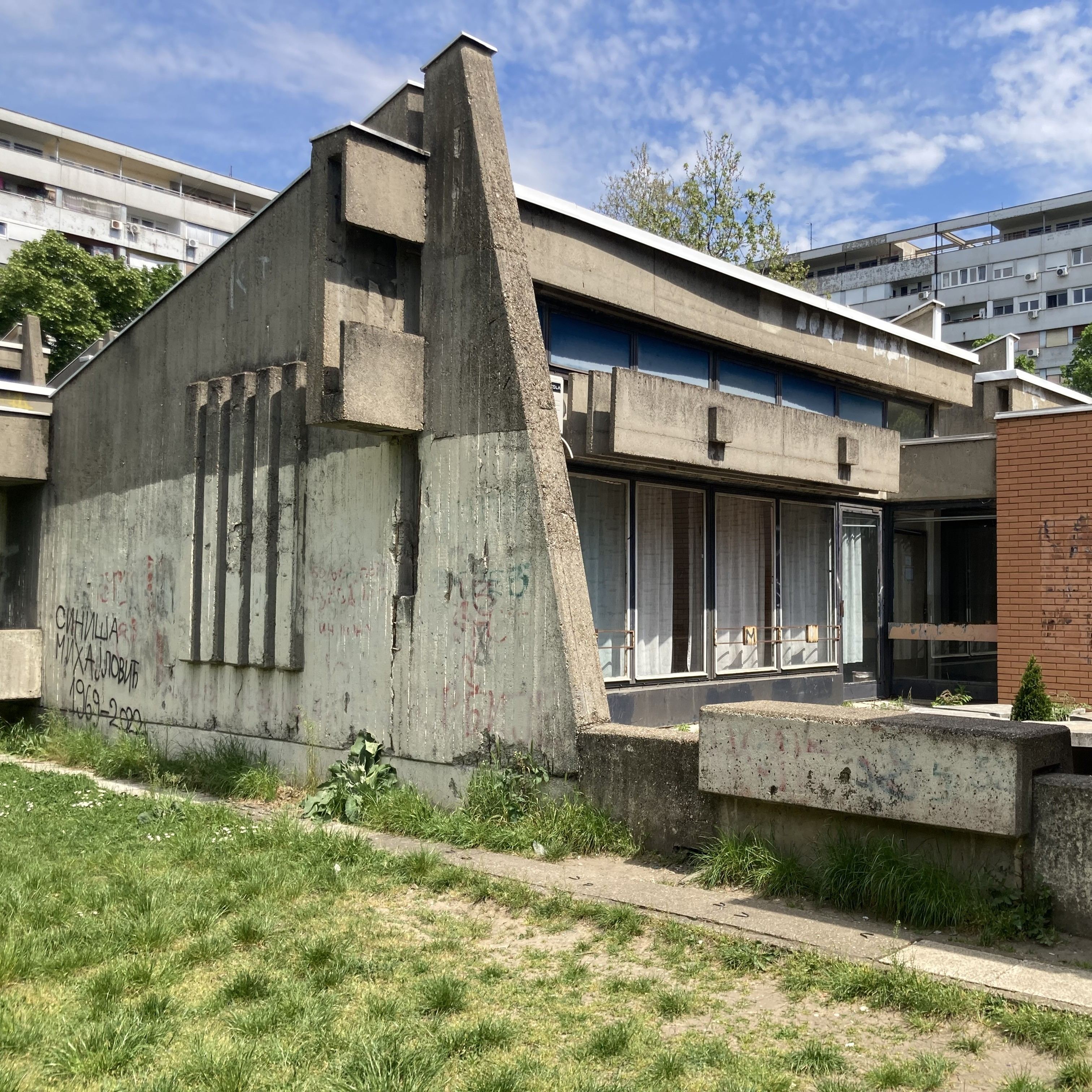
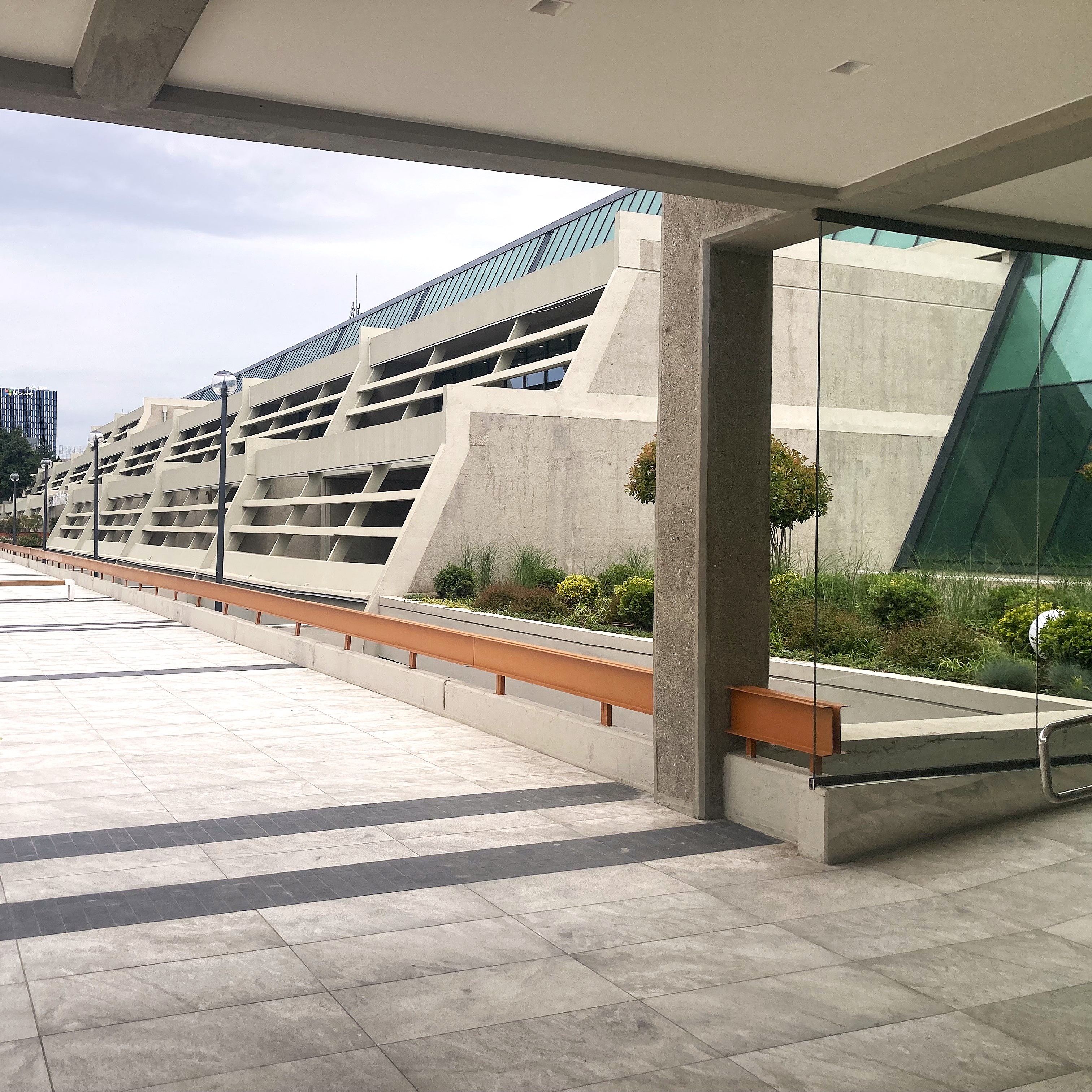
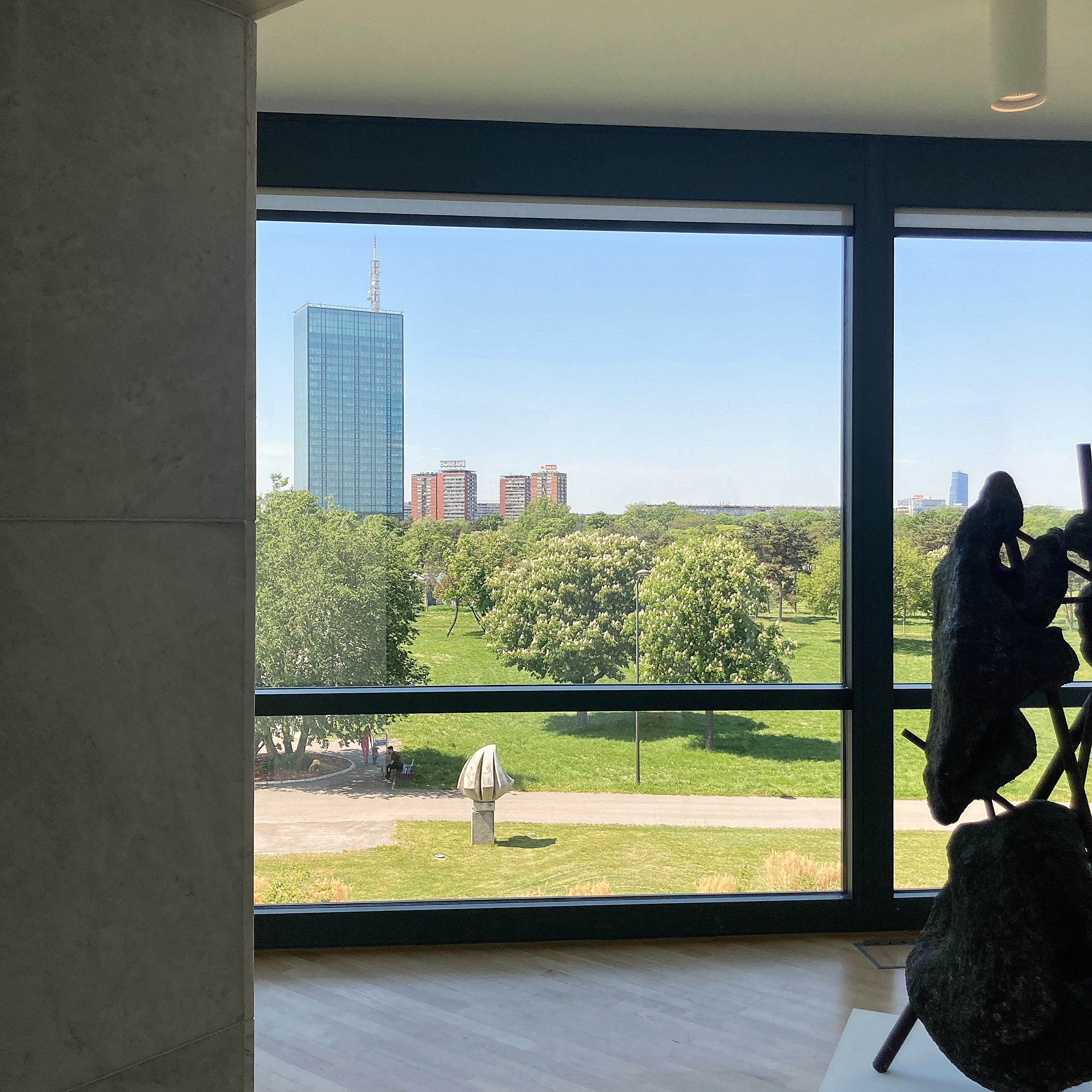
The tour examines the development of New Belgrade, highlighting both the successes and limitations of its revolutionary urban ideas, conceived as the foundation for a new capital of socialist Yugoslavia in the latter half of the 20th century, and explores how these concepts have evolved today.
On the opposite bank of the Sava, once dominated by wetlands and floodplains, a completely new district arose after World War II, shaped by the principles of the International Style and Le Corbusier. Large residential blocks housing up to 10,000 people—or more—were constructed using modular prefabrication, prestressed concrete, and exposed concrete characteristics of Brutalism. These were complemented by spacious open areas, lush greenery, community facilities, kindergartens, schools, local shops, and recreational spaces. Administrative, governmental, office, cultural buildings, and hotels were also developed. Today, with over 210,000 inhabitants, New Belgrade is the city’s largest municipality.