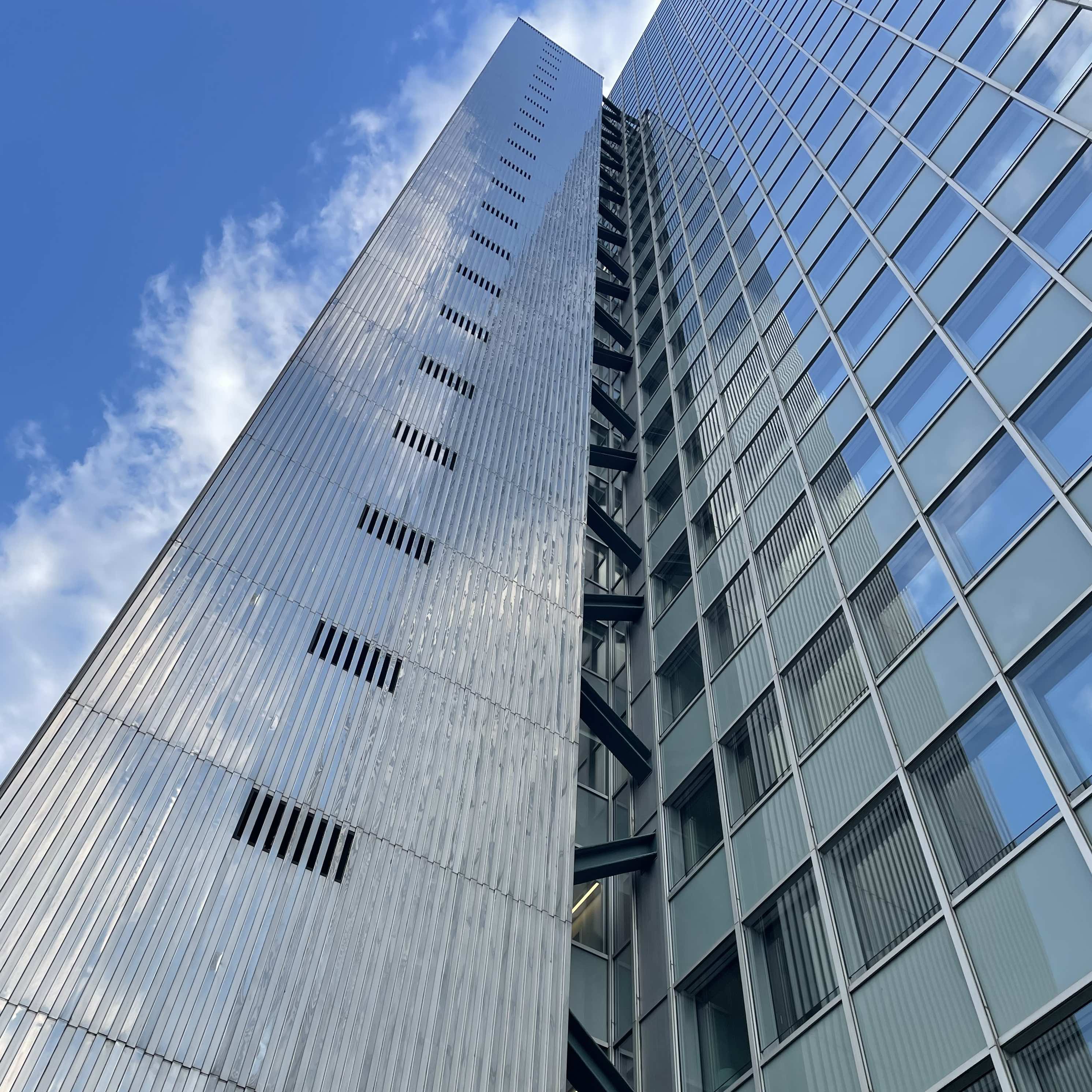
With the decision to build a new underground line and demolish the once listed elevated motorway that cut through the Hofgarten, large central areas of the city have been freed up and are now fully developed. The transition between Königsallee and the Hofgarten at Landskrone Weiher, the Kö-Bogen 1, was designed by Daniel Libeskind.
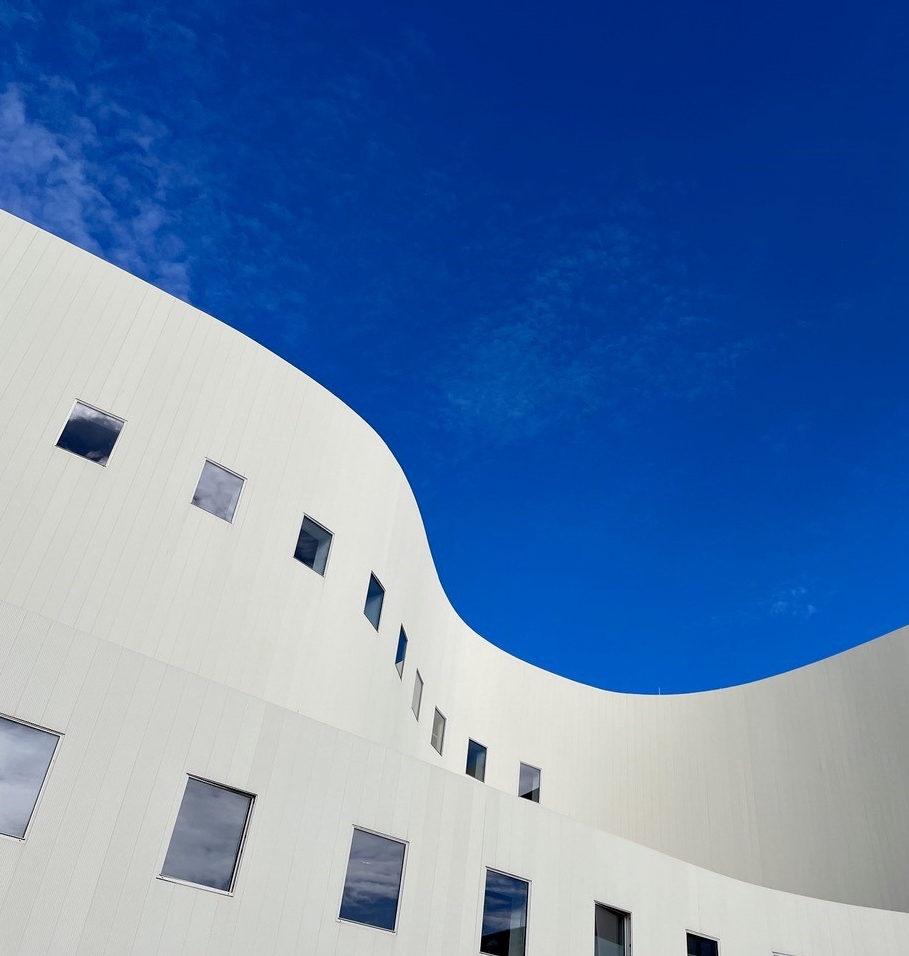
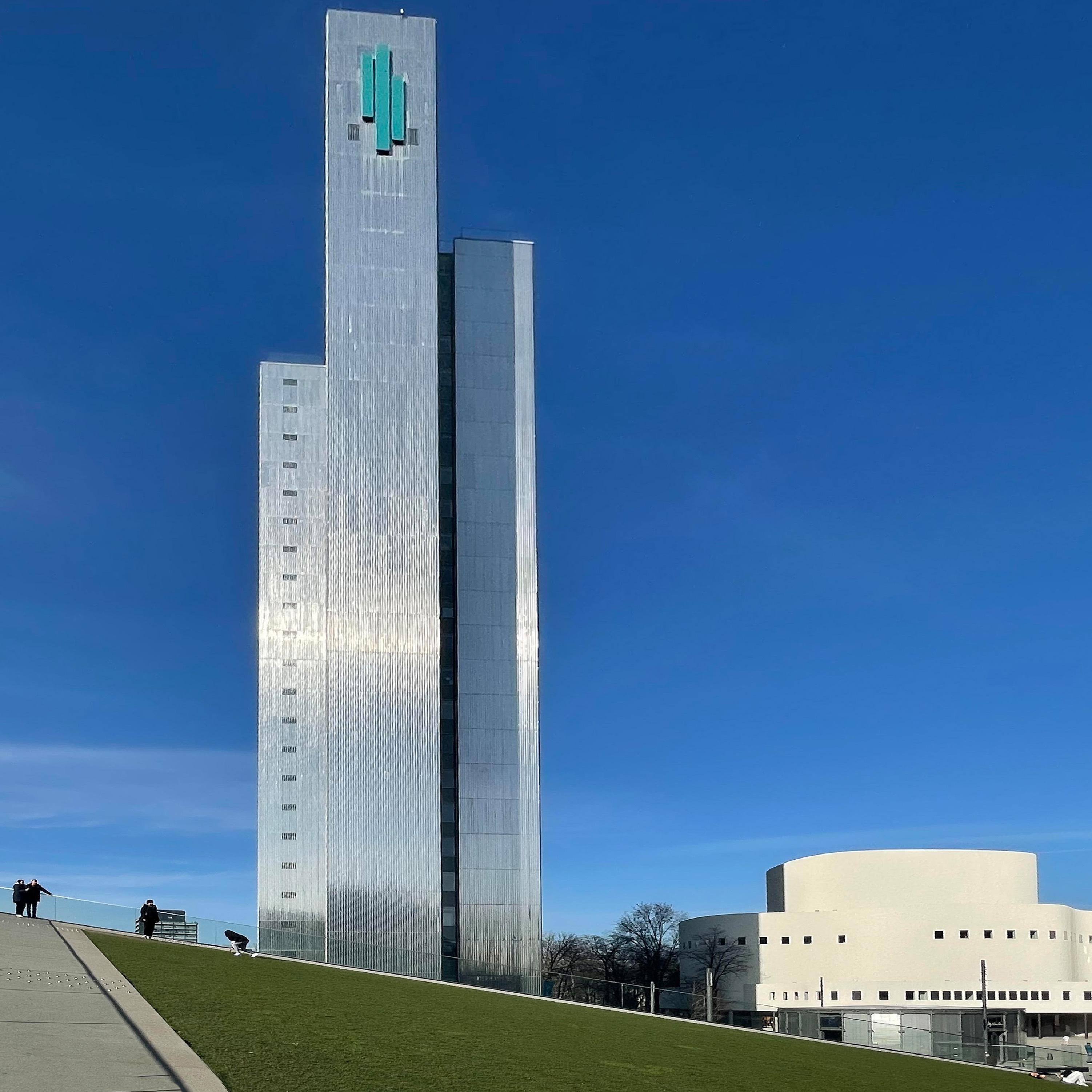
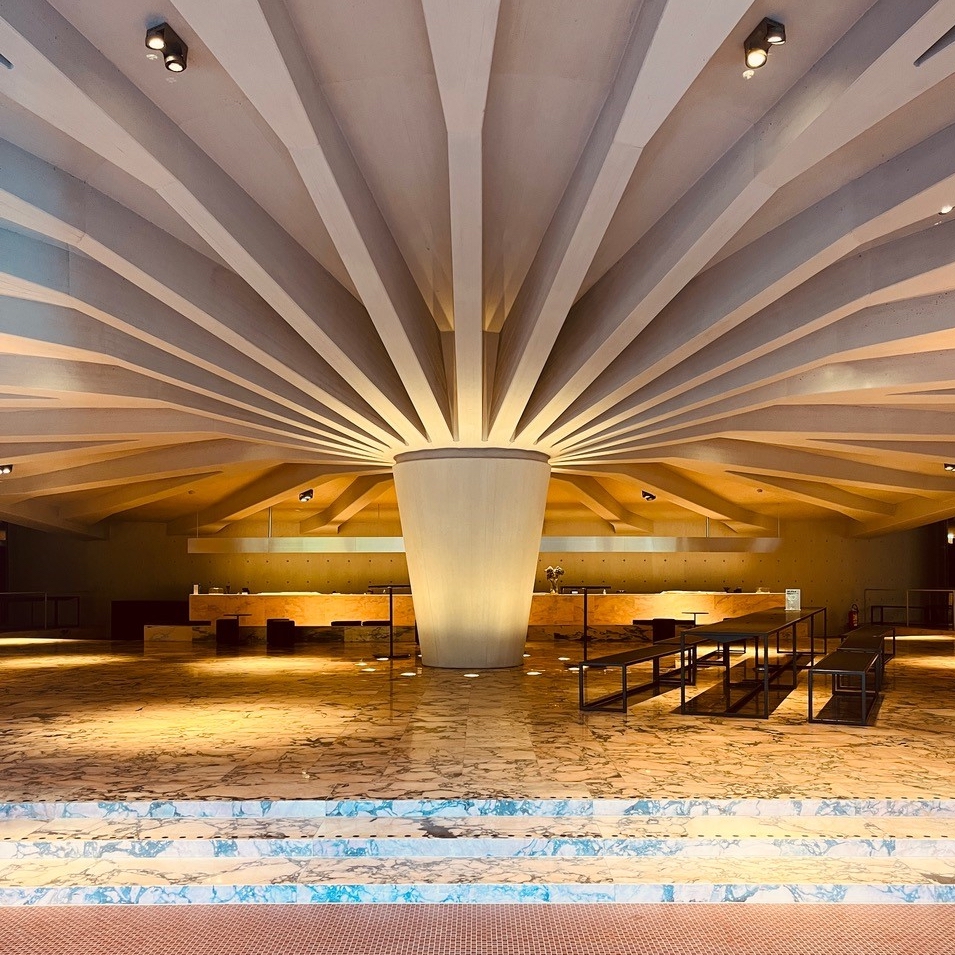
At Gustav-Gründgens-Platz, Christoph Ingenhoven built ‘Europe's largest green façade’ with Kö Bogen 2. The two architectural icons in the centre of Düsseldorf can now have an urban impact like never before: thanks to clever renovation, the elegant Dreischeibenhaus has remained as slender as it once was. Bernhard Pfau's theatre sought the greatest possible contrast to its neighbour; the building, which opened in 1970, is now a highly frequented ‘third place’ in the urban landscape.
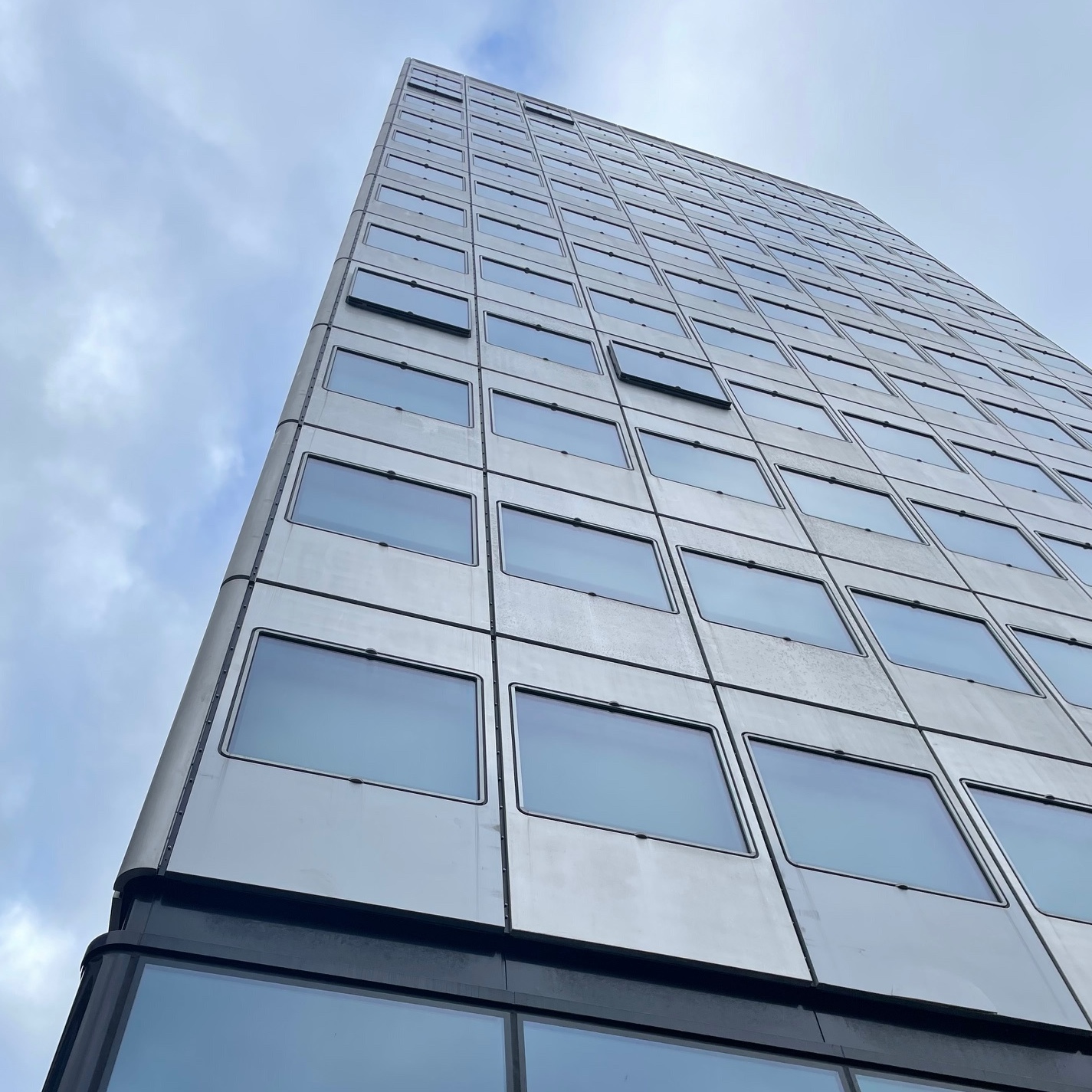
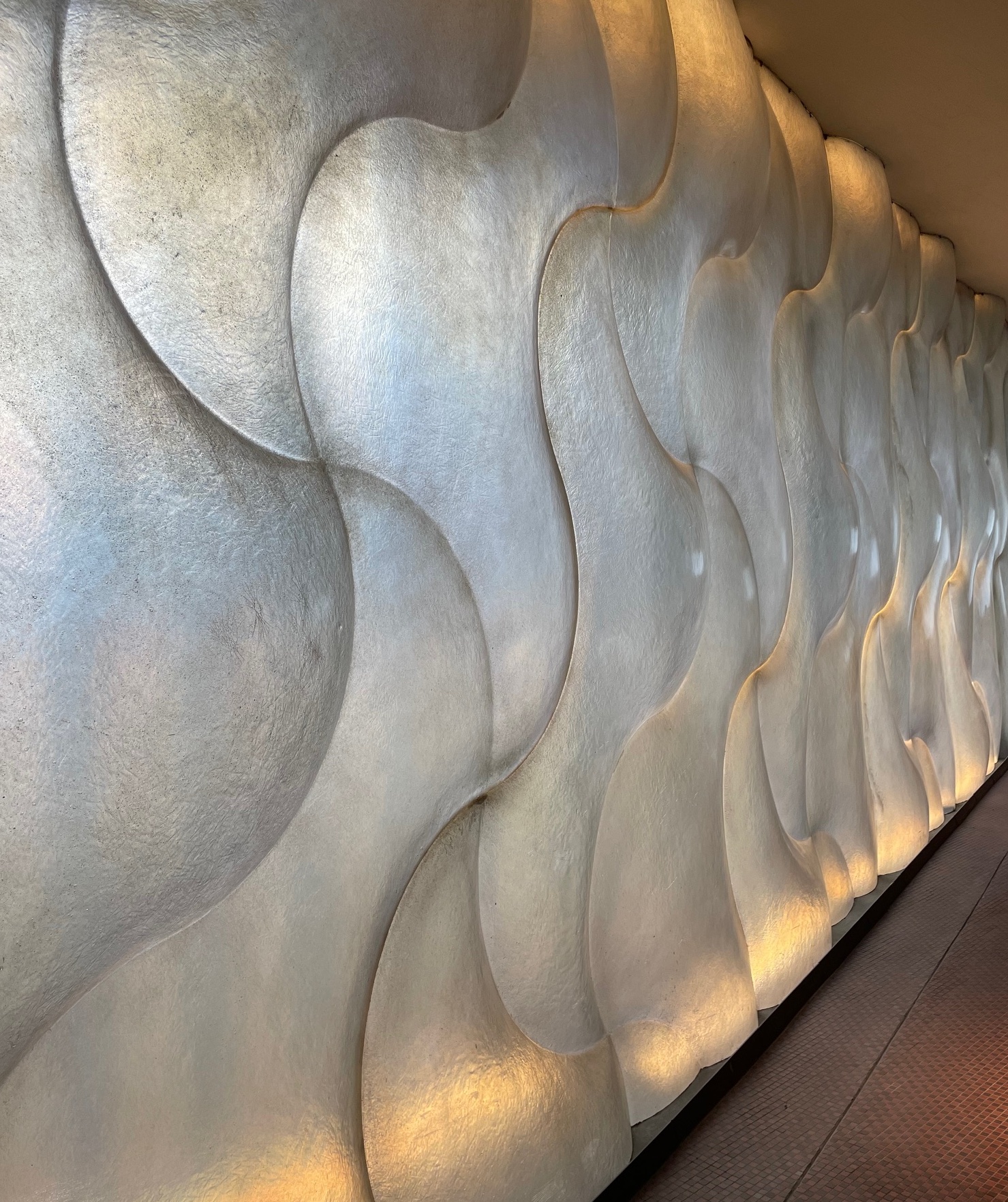
The Wehrhahn line is a work of architectural art in public transport that is ‘on time, on scope and on budget.’ The programme is rounded off with a visit to the former Commerzbank, which now welcomes hotel guests.